
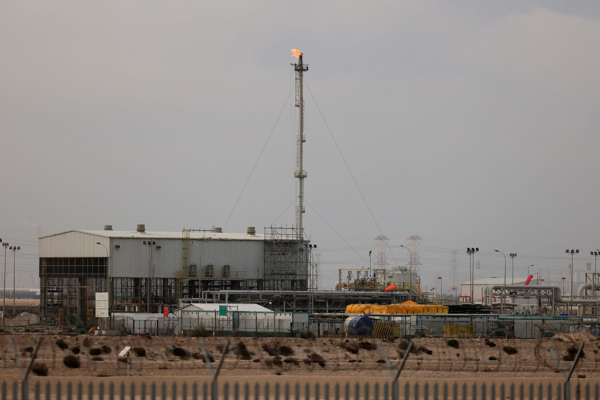
On Wednesday, March 18, Qatar stated that Iran had carried out a missile attack on its major natural gas facility in Ras Laffan Industrial City, resulting in “significant losses”. Following the attack, Qatar expelled Iranian embassy diplomats. Saudi Arabia and the United Arab Emirates also strongly condemned Iran’s indiscriminate attacks on neighboring countries.
Ras Laffan Industrial City is the location of the world’s largest liquefied natural gas (LNG) export facility. According to QatarEnergy, the world’s largest LNG producer, emergency response teams have been deployed to control the fire at Ras Laffan, with no reports of casualties so far.
Qatar’s Interior Ministry stated that the fire at the site had been preliminarily contained, with no reports of casualties.
Prior to this incident, Israel had bombed an Iranian natural gas processing plant, prompting threats from the Iranian Revolutionary Guard to attack Qatar, Saudi Arabia, and the United Arab Emirates’ energy facilities.
Qatar’s Foreign Ministry issued a statement saying, “Qatar strongly condemns Iran’s blatant attack on Ras Laffan Industrial City, causing significant damage to the facility.”
The Ministry subsequently declared Iranian military and security attachés at the Qatar embassy, along with their staff, as persona non grata. They were given 24 hours to leave Qatar, with the Ministry citing Iran’s repeated attacks as the reason for this decision.
Qatar’s Foreign Ministry stated, “Qatar views this attack as a dangerous escalation, a blatant violation of Qatar’s sovereignty, and a direct threat to national security.”
“Iran’s continued policy of escalation is pushing the region to the brink of collapse and dragging non-involved parties into the conflict,” Qatar added.
Qatar had suspended LNG production on March 2. The Gulf state is the world’s second-largest LNG exporter after the United States. The Ras Laffan LNG facility, located 80 kilometers (50 miles) northeast of Doha, is the world’s largest LNG production facility, accounting for approximately 20% of global LNG supply and playing a crucial role in balancing LNG demand between Asia and Europe.
As Saudi Arabia planned to host the Arab and Muslim countries’ foreign ministers’ meeting in Riyadh to discuss how to navigate this conflict, Ras Laffan came under attack.
Gatenby, a reporter from Al Jazeera, stated, “The focus of this meeting will now largely revolve around the threats from Iran they are facing and dealing with the consequences of these attacks.”
Saudi Arabia’s Defense Ministry announced on Wednesday that their air defense systems intercepted four ballistic missiles targeting Riyadh and two targeting the Eastern Region.
Saudi Foreign Minister Prince Faisal bin Farhan stated on Wednesday that Iran’s attacks destroyed the remaining trust, refused dialogue, and misjudged the Gulf states’ resolve. He warned that Saudi Arabia would take all necessary measures to stop Iran’s aggression.
Prince Farhan reiterated earlier on Thursday that following Iran’s attacks on Gulf states, Saudi Arabia “reserves the right to take military action when necessary.”
The UAE Defense Ministry reported intercepting 13 ballistic missiles and 27 drones from Iran. After successfully intercepting one missile, fragments fell near the Habshan natural gas facility, leading to temporary suspension of its operations for handling.
The office further added that the Bab field was also attacked, with no reports of casualties at present.
The UAE Foreign Ministry condemned Iran’s attacks on the Habshan natural gas facility and Bab field as a dangerous escalation and violation of international law, while asserting the right to take all necessary measures to safeguard national sovereignty and security.