
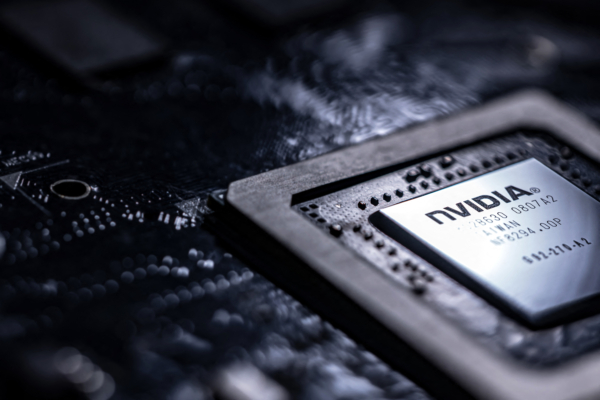
On Tuesday, March 17th, CEO of Nvidia, Jensen Huang, announced that production of the H200 chip, which had been temporarily halted due to regulatory issues, has now resumed.
During Nvidia’s GTC event, Huang pointed out the strong demand for the company’s Blackwell and Vera Rubin chips, predicting that they will contribute up to $1 trillion in revenue by 2027.
He mentioned that demand signals from China have strengthened in recent weeks. “We have obtained authorization from many Chinese customers for the H200, received numerous purchase orders, and are currently in the process of restarting production,” he told the media, adding that the company has secured sales permits from both the US and China.
Huang further stated, “The situation is different from two weeks ago… Our supply chain is running at full speed.” In response, the US Department of Commerce stated that they would not share information regarding permits.
In addition, Huang’s latest comments suggest that Chinese tech giants such as Alibaba and ByteDance may soon have access to Nvidia’s AI technology.
Currently, Nvidia has not disclosed how much revenue they expect to generate from sales of the H200 chip in China. However, the company has previously stated that the market value of AI processors in China could reach several billion dollars annually.
In fact, Nvidia has been trying to re-enter the high-end AI chip market in China over the past year, but has been caught in a tug-of-war between the US government and the CCP.
The US Department of Commerce originally banned the export of the H200 chip in April 2025, but it wasn’t until December of last year that Nvidia reached a new agreement with the US government, allowing them to sell the H200 chip to Chinese customers. This was contingent on paying a “25% chip tax,” as well as complying with strict supervision and meeting various restrictions before being able to resume exports to China.
However, the CCP retaliated by withholding clearance for some H200 chips that had already been approved by the US and arrived at Chinese ports (including Hong Kong) without warning. There were also reports that the Chinese regulatory authorities issued an order to domestic tech giants in mid-January to “not purchase H200 chips unless necessary.”
The US restrictions and Chinese countermeasures led to a temporary halt in H200 shipments, prompting Nvidia to suspend production of the chip. Furthermore, in their financial report on February 25th, Nvidia stated that despite the US government’s approval to ship a “small amount of H200” to China, there had not yet been substantial revenue generated from it.
During a hearing in the House of Representatives at the end of February, Assistant Secretary of Commerce for Export Enforcement David Peters confirmed this. He explained that due to various factors, the H200 chip has not yet been delivered to Chinese customers through regular channels.