
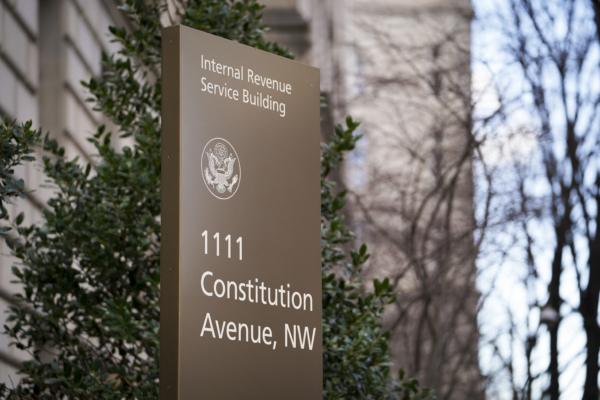
At present, it is the 2026 tax season in the United States, with taxpayers busy filing their taxes, but scammers are also taking advantage of the situation. The Internal Revenue Service (IRS) has released its annual “Dirty Dozen Tax Scams” list, warning taxpayers about common and latest types of fraudulent schemes.
One of the scams is impersonating the IRS. Fraudsters may pretend to be the IRS and send fake emails, text messages, and social media information that typically induce panic, prompting taxpayers to scan QR codes to visit fake websites for false “account verification”, asking for personal information or “claiming tax refunds”.
The IRS reminds taxpayers that these links may secretly install malicious software or even ransomware, so they should not click on any links or attachments claiming to be from the IRS and are unknown.
Another scam involves AI-assisted phone fraud. Scammers use automated voice calls and spoofed caller IDs to impersonate the IRS, pressuring taxpayers to provide funds or sensitive information.
The IRS states that in most cases, they will first contact taxpayers by mail and never leave urgent, threatening pre-recorded voicemail messages or call demanding immediate payment or threatening arrest.
Fake charity organizations are also a common scam. Scammers often set up fraudulent “charity organizations” after disasters to deceive people into donating money and providing personal information.
The IRS reminds taxpayers that donating funds or items to charitable organizations may qualify for deduction on tax returns (excluding standard deduction filers), but only donations made to IRS-recognized, qualified tax-exempt organizations will be considered valid donations.
Misleading tax advice on social media is another scam. Some widely circulated “tax tips” encourage taxpayers to claim tax deductions they are not eligible for or submit inaccurate tax returns.
The IRS warns taxpayers to follow reliable advice from the IRS and tax professionals. Knowingly submitting fraudulent tax returns may result in serious civil and criminal penalties.
Identity theft targeting IRS online accounts is also a concern. Criminals use stolen personal information to unauthorizedly access taxpayers’ online accounts with the IRS. Taxpayers should create accounts directly through the IRS website and should not rely on third parties offering assistance.
Abusing Form 2439 for tax credits is another scam. Form 2439 allows certain shareholders of investment funds or real estate trusts to apply for tax credits on already paid “undistributed capital gains tax”. However, fraudulent activities related to forging or falsely reporting Form 2439, including associated with illegal investment funds or real estate trusts declarations, may lead to tax refund delays, tax audits, fines, or enforcement actions.
Fake “self-employment tax credit” promotions on social media are deceiving taxpayers into claiming tax credits they may not qualify for. The IRS is rigorously reviewing such credit applications to ensure compliance with tax laws.
Ghost preparers are tax preparers who do not sign or take responsibility for the tax returns they prepare for clients. It’s a red flag if a tax preparer refuses to sign the tax return or provide a Preparer Tax Identification Number (PTIN). The IRS urges taxpayers to choose reputable professionals and never sign blank or incomplete tax forms.
Non-cash charity donation scams involve fraudulent schemes to reduce tax obligations by overstating the value of donated property. The IRS warns taxpayers not to submit tax forms containing false information.
Misreporting withholding taxes is another scam where scammers induce taxpayers to submit fraudulent returns to inflate withholding amounts to unlawfully obtain higher refunds. Inaccurate reporting may lead to fines and enforcement actions.
Phishing attacks targeting tax professionals through malicious emails are on the rise. Cybercriminals attempt to steal customer data by targeting tax preparers and related firms.
The IRS urges individuals and businesses, including tax professionals, to exercise caution when sharing sensitive information or responding to emails, and to be wary of any suspicious requests or unusual behavior.
Misleading marketing of Debt and Settlement Agreements (offer in Compromise, OIC) is also a concern. OIC is meant to help eligible taxpayers resolve tax debt issues when unable to fully repay tax debts. However, some companies exaggerate the effectiveness of OIC and charge exorbitant fees to taxpayers who do not qualify.
The above list is derived from the official IRS website to alert taxpayers and tax professionals about various scams and frauds. The content is provided for general information purposes only and is not intended for recommendation or solicitation. The Epoch Times does not provide investment, tax, legal, financial planning, estate planning, or any other personal finance advice.