
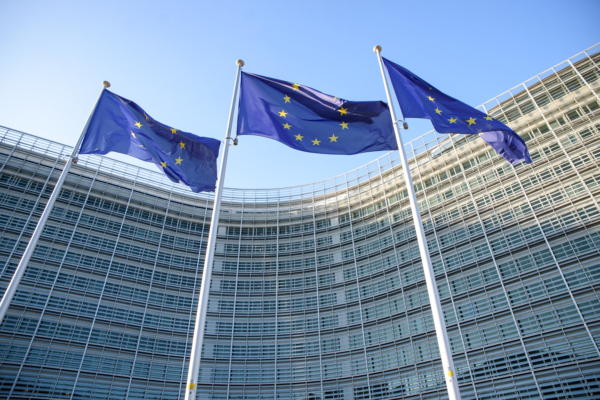
Amid the turmoil in the Middle East and the urgent discussions among EU foreign ministers regarding the security of the Strait of Hormuz, the European Council announced on Monday (March 16) that restrictive measures have been imposed on three entities and two individuals, accusing them of launching malicious cyber-attacks against EU member states and partners.
The sanctions list includes two Chinese technology companies and their respective individuals, as well as an Iranian company, demonstrating the EU’s efforts to combat asymmetric threats against its critical infrastructure and social stability.
According to the official announcement from the European Council, the sanctioned Chinese entities include Integrity Technology Group Inc., which has long been providing products for network intrusion and access to equipment in EU member states and globally. Investigations indicate that between 2022 and 2023, over 65,000 devices in six EU member states were targeted in cyber-attacks facilitated through the technology and support provided by this company.
Another sanctioned Chinese enterprise is Anxun Information Technology, accused by the EU of offering hacker services targeting critical infrastructure and core functions of member states and third countries. Additionally, two co-founders of Anxun Information have been individually sanctioned for their direct involvement in affecting network attacks on EU member states.
On the Iranian front, the EU imposed sanctions on Emennet Pasargad company for illegally obtaining French subscriber databases and selling them on the dark web, as well as infiltrating billboards during the 2024 Paris Olympics to spread false information. Furthermore, the company is accused of hacking into Sweden’s text messaging services, significantly impacting numerous EU citizens.
Under the sanctions provisions, the assets of the aforementioned entities and individuals within the EU will be frozen, and EU citizens and companies are strictly prohibited from providing any form of funds or economic resources to them. The individuals involved are also subject to travel bans, prohibiting them from entering or transiting the EU territory. With the update of the list on Monday, the EU’s horizontal cyber sanctions mechanism currently applies to 19 individuals and 7 entities.
The European Council emphasized that this action confirms the EU and its member states’ determination to respond strongly and persistently to ongoing malicious cyber activities, aiming to promote an open, free, and secure cyberspace.
This sanction plan was unveiled during an EU foreign ministers’ meeting. The EU’s actions demonstrate that even amid energy crises and immense pressure resulting from conflicts in the Middle East leading to the blockade of the Hormuz Strait, Europe remains vigilant in safeguarding cybersecurity and countering external interference.