
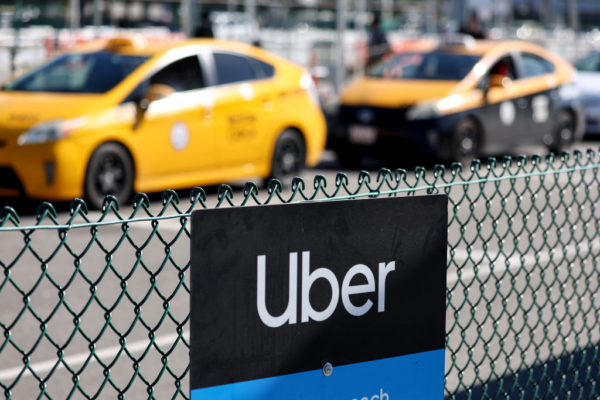
On Tuesday, the board of directors of Los Angeles International Airport (LAWA) unanimously passed a proposal to increase the entry fees for ride-sharing services such as Uber or Lyft and taxis. The raised fees are expected to be passed on to passengers.
Under the new fee standards, the fee for pick-up and drop-off services at Los Angeles International Airport (LAX) for the aforementioned vehicles (currently dropping off at various terminals and using the LAX-It pick-up area adjacent to Terminal 1) will increase from $4 to $6. Meanwhile, the curb fee for drop-offs and pick-ups outside terminals 1 to 8 of the airport will rise from $5 to $12, marking a 140% increase. The $12 adjustment will go into effect immediately after the opening of the LAX Automated People Mover Skylink, expected later this year. The $6 basic fee increase will be implemented within a month of LAWA’s approval, around April.
Although the board stated that the fee increase targets ride-sharing services like Uber or Lyft and other taxis, the additional costs are likely to be passed on to passengers. Currently, passengers being dropped off or picked up at LAX need to pay a basic airport access fee of $4 or $5. At San Diego and San Francisco International Airports, the curb drop-off and pick-up fee ranges from $4.50 to $6.
In addition to the fee adjustments, LAWA’s board also approved a second measure that limits ride-sharing services and taxis from picking up passengers outside the busiest terminals of the airport to no more than 30% of the total passenger volume, and drop-offs must not exceed 70% of the total passenger volume. The permit agreement approved by LAWA spans nearly 70 pages, covering regulations on driver and trip IDs, geographical fencing areas (apps must remain activated at all times), permit durations, requiring drivers to electronically record passenger pick-up and drop-off information, and prohibiting carpooling without authorization.
Airport officials aim to steer people towards using the Skylink transportation system for pick-up and drop-off locations to quickly move away from the central airport area, alleviating traffic congestion and providing funds for airport improvements.
David Reich, Deputy Executive Director of LAX Airport Transportation Strategy, stated, “LAX is the most complex transport nexus in the world, and the central terminal area of Los Angeles International Airport reflects this complexity.” He emphasized that the standards for fees charged to ride-sharing and taxi services have remained unchanged for a decade and no longer reflect the airport’s market value, especially considering the billions invested in facilities like terminals in recent years.
Reich highlighted, “Around 80,000 to 100,000 private cars, ride-sharing vehicles, taxis, airport shuttles, and buses vie for limited curb space daily, designed decades ago for a vastly different travel environment.” He added, “Concentrating all these transportation activities into a two-tier terminal loop is no longer sustainable, and this congestion has been longstanding.”
However, transportation companies have differing views on the fee increase to $12. Danielle Lam, local manager for Uber, expressed that the 140% fee increase without transparency or a public process is untenable. Charging $12 for both pick-ups and drop-offs, Lam argues, “will penalize passengers, working families, and seniors who rely on economically reliable transportation. Uber supports the improvement of Los Angeles International Airport but not at the expense of airport operations.”
Margarita Penalosa, an eight-year ride-sharing driver, urged the board to protect drivers like herself, stating, “I drive full-time for Uber and Lyft; over the years, I’ve had to increase my working hours to ensure income remains the same as when I started with these companies.” She pleaded, “Please find a way to ensure we can continue serving passengers traveling to and from Los Angeles International Airport without suffering economic losses.”
Reich noted, “Ride-sharing companies can choose to bear the airport’s fees themselves or incorporate them into the price paid by passengers; it is their choice.” He emphasized the significant increase over time in the percentage extracted by ride-sharing companies from each fare, citing Uber’s financial data showing a current 30% growth in revenue from total booked trips and ride-hailing services. Reich stressed that it is unreasonable to make drivers or passengers bear the proposed costs.