
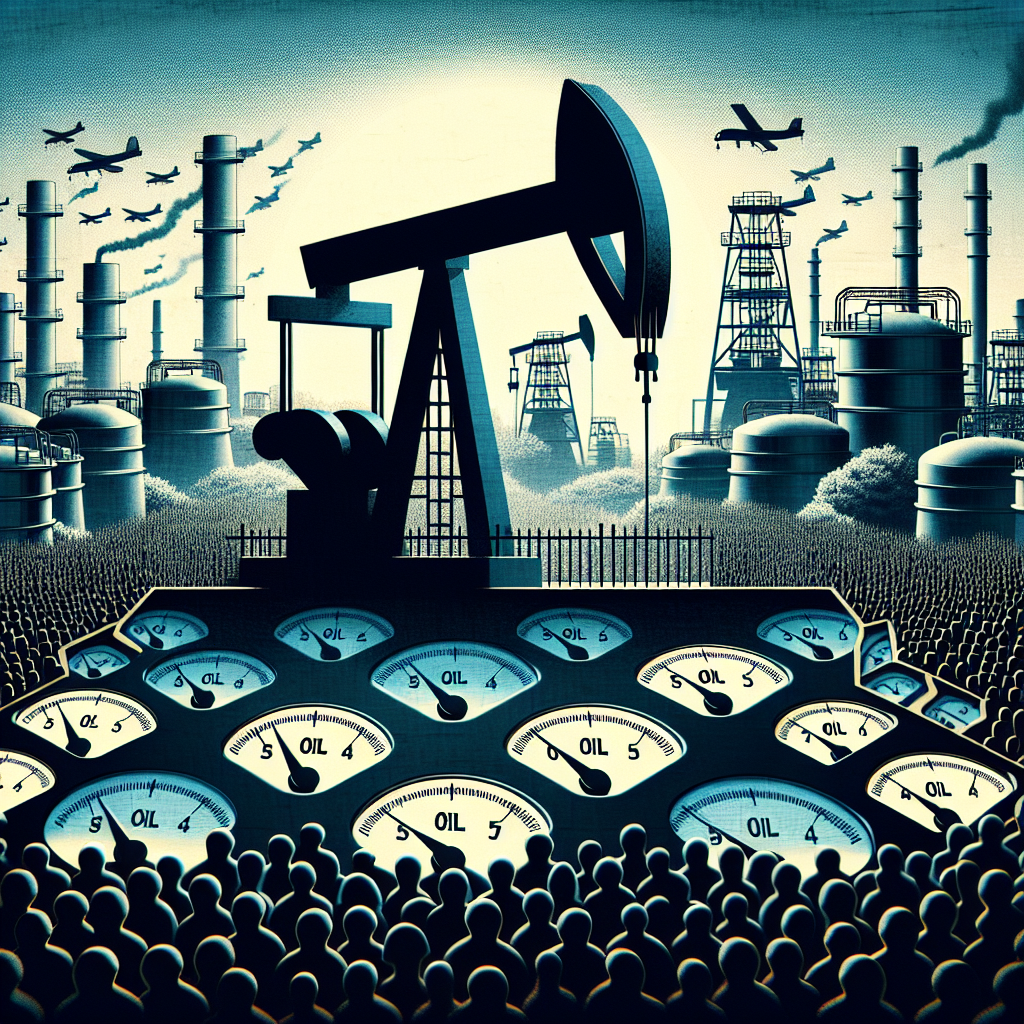
The current international situation is impacting the oil market, and a new supply crisis is emerging for Californians who have been paying the highest gas prices in the US for a long time. Experts are concerned that with major oil companies set to close refineries in the state, oil prices may further increase.
Last year, the Phillips 66 refinery in Los Angeles announced its closure. Now, Valero Energy Corp. is also planning to shut down its Benicia refinery in the San Francisco Bay Area next month. Both Phillips 66 and Valero collectively account for nearly one-fifth of California’s gasoline supply.
With more refineries closing and production capacity shrinking, coupled with the impact of Middle East conflicts, California’s average gas price has already soared past $5 per gallon.
According to data released by the American Automobile Association (AAA) on Thursday (12th), the average price of regular gasoline in California is $5.368, significantly higher than the national average of $3.598. In states like Oklahoma and Kansas, the average gas price is only around $3.
There are significant price differences between counties, with average gas prices in Los Angeles County and San Diego County at $5.4, Orange County around $5.37; San Francisco in Northern California at around $5.6, and Mono County inland skyrocketing to $6.2.
As early as May last year, a study by the University of Southern California (USC) suggested that California gas prices could surge by 75% by the end of 2026, primarily due to the closure of several refineries in the state leading to a significant reduction in supply. USC Marshall School of Business Professor Michael Mische even projected prices could rise to over $8 per gallon.
As refinery closure dates draw closer, the California Energy Commission stated in an email to Epoch Times reporters that “Phillips 66 has indicated it will continue supplying fuel to the California market… Valero will also provide ample supply.”
In addition to the refinery closures, energy giant Chevron recently warned that California’s energy and decarbonization policy amendments could severely impact the state’s economy, potentially affecting the operation of the remaining refineries in the state.
In a public letter released on the Chevron website on the 9th, company CEO Andy Walz wrote to California Governor Newsom, indicating that the “cap-and-invest” plan being promoted by California could weaken the viability of the remaining refineries in the state, and even result in the industry withdrawing from California.
The California Air Resources Board (CARB) stated that the goal of promoting the amendments is to further reduce greenhouse gas emissions. Under the proposal, CARB plans to withdraw approximately 1.183 billion carbon emission allowances from the market from 2027 to 2030 and raise California’s carbon emission reduction target to a 90% reduction by 2045.
Walz believes that if such policies are implemented, they could impact over 530,000 energy-related jobs, including many high-paying union positions, and potentially drive up transportation and aviation fuel prices. He also noted that a series of energy policies promoted by local and state governments in recent years have been overly confrontational, hoping this situation can change soon.
State government data shows that approximately 64% of California’s oil is dependent on overseas imports, with imports reaching 3.24 billion gallons in 2024, of which approximately 31% comes from the Middle East.
With the pressure on global oil supply due to the conflict in Iran, the Automobile Club of Southern California has mentioned that the impact of the Middle East conflict on California’s energy costs is unclear, but oil prices are rising, and consumers may need to pay higher prices, especially with the closure of several large refineries in California and the mandatory conversion to environmentally friendly summer gasoline by the state government.
To alleviate supply shortages and rising oil prices, the International Energy Agency (IEA) has agreed to release 400 million barrels of oil, and the US government has announced plans to release 172 million barrels of oil from strategic reserves over the next four months to stabilize the energy market during the conflict in Iran.
Governor Newsom’s administration attributes California’s high gas prices to large oil companies “profiteering” and the “reckless Iran war” launched by Trump. A spokesperson for the governor’s office mentioned in an email response to Epoch Times reporters that “the oil industry is busy launching a coordinated campaign aimed at attacking California,” while also criticizing Trump’s “reckless Iran war.”
California’s gas prices and gas tax (71 cents per gallon) have always been the highest in the US. Newsom and other Democratic leaders have long blamed high gas prices on large oil companies manipulating prices.
However, a study conducted by USC last year provided a different perspective. The report indicated that what truly drives high gas prices are California’s own policies, including the state’s aggressive environmental policies, high operating costs for refineries, declining oil production within the state, and an increase in reliance on foreign oil.