
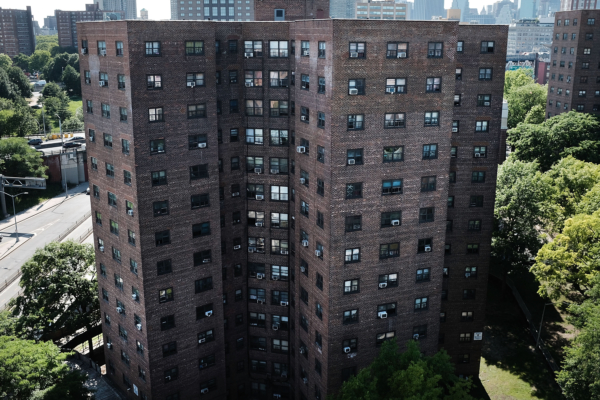
The number of vacant apartments in the New York City public housing system (commonly known as government housing) has significantly increased over the past three years. According to a report released by the New York City Department of Investigation (DOI) on March 3, as of May 2025, over 6,700 apartments managed by the New York City Housing Authority (NYCHA) were vacant, more than doubling from the 2,800 units at the beginning of 2022. The report also pointed out that a large number of vacant residences have been illegally occupied, posing potential security threats to residents.
The New York City Housing Authority is the largest public housing system in North America, managing over 177,000 apartments in 335 residential complexes with a population of around 350,000. However, despite the extremely tight housing demand, there are still thousands of public housing units that have been vacant for an extended period, drawing attention from oversight agencies.
The report from the Department of Investigation revealed that many apartments take over a year on average to be re-rented after tenants move out. One of the main reasons causing long-term vacancy in housing is the necessity for renovations, including addressing safety issues such as lead paint and asbestos contamination, before reallocation.
These renovation works are often time-consuming and costly. The report estimated that the average renovation cost for an apartment is around $52,000. Due to high construction costs and complex procedures, many apartments remain vacant for an extended period.
Furthermore, the report found that vacant apartments have become targets for squatters. Between January 2022 and May 2025, the police reclaimed 548 illegally occupied apartments and arrested 81 individuals for offenses including illegal entry, drug possession, and weapon-related crimes.
Investigators pointed out that these squatting incidents not only affect public housing management but also pose security risks to surrounding residents.
The report also criticized the Housing Authority for various issues in managing vacant housing. It was found that the Housing Authority did not regularly inspect whether vacant apartments were illegally occupied. Additionally, in some residential complexes, all vacant apartments were accessed using the same key, meaning that anyone with that key could enter multiple empty units.
Supervisors noted that this management practice made vacant apartments more vulnerable to illegal entry and prolonged the time taken to detect issues.
In response to the findings, the Department of Investigation presented several recommendations to the Housing Authority for improvement, including: 1. Regular inspections of vacant apartments; 2. Changing locks and using different keys; 3. Enhancing security monitoring and patrols; 4. Establishing a mechanism for residents to report illegal occupancy; 5. Improving the renovation and re-rental processes.
The Housing Authority stated that it has accepted the majority of the recommendations in the report and will study how to enhance management processes.
The housing shortage issue in New York City continues to worsen, with tens of thousands of households still waiting for public housing or related housing subsidies, often enduring wait times of several years.
The oversight report highlights that expediting apartment renovations and re-rentals while strengthening security management are crucial challenges facing the future of the New York City public housing system.