
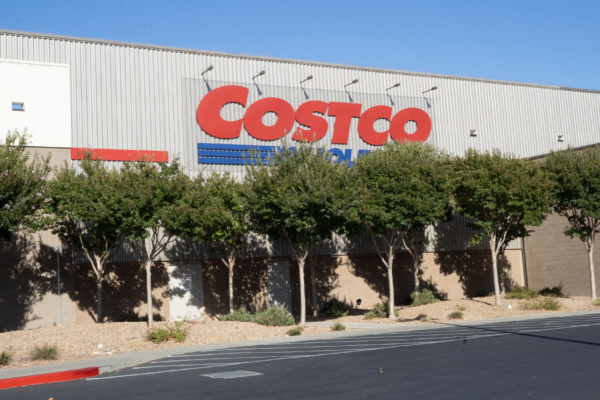
In the mainstream chain supermarkets in major U.S. cities, which supermarket’s food is more expensive and which is cheaper? A study has found that Costco’s food prices at chain stores are cheaper than stores like Walmart.
Most Americans buy food from at least two retailers every week. Strategic Resource Group (SRG), established in 1997 and based in New Jersey, compared the prices of common goods among dozens of food retailers in six representative cities across the U.S. It was found that the average difference between the highest and lowest prices in each city exceeded 33%; when including membership cards or specialty foods in the comparison, the price differences became even more significant.
According to a report released by Consumer Reports, the six representative cities are Boston, Chicago, Dallas, Denver, Virginia Beach, and Los Angeles. The data collection for product prices took place at the end of the summer of 2025, with items being collected from store shelves by designated personnel and customers using membership cards within 48 hours.
The collected prices reflect promotional prices of products and discounts available to customers using membership cards, but do not include manufacturer coupons or special discounted prices only accessible through smartphone apps.
The analysis of all six cities used Walmart chain stores as the baseline for product prices, comparing prices of other stores with Walmart, with Costco consistently offering the lowest food prices in all six cities.
In the Los Angeles/Southern California area, using Walmart as the benchmark (at zero), Costco had food prices at -20.0%; WinCo at -4.3%; Aldi at -4.0%, with Walmart at 0. The following six chain stores had prices higher than Walmart: Target at 8.2%; Food4Less at 10.3%; Stater Bros. at 15.4%; Trader Joe’s at 18.0%; Ralphs at 21.9%; Albertsons at 26.1%; Vons at 26.6%; and Whole Foods Market at 35.0%.
The price comparison included packaged foods, fresh produce, meats, etc., with different types and quantities of items collected from various stores, and different main food chain stores in each city. For retailers selling a wide range of generic branded products, cross-store comparisons are more reliable; for stores focusing on private labels or specialty products, the number of comparable categories is less.
Following the publication of the price comparison report, Whole Foods Market contacted the report author, arguing that the analysis did not take into account other potentially important factors for consumers, such as food ingredient standards, sourcing origins, and packaging quantities.
A spokesperson for Whole Foods Market stated, “In the past 18 months, Whole Foods Market has lowered prices on 25% of products in-store, including own-brand products, while maintaining our industry-leading quality standards. Prime members shopping at Whole Foods Market can enjoy multiple discounts throughout the year, including deep discounts on select popular items each week, and an additional 10% off hundreds of in-store sale items.”
According to an analysis by the St. Louis Federal Reserve Bank of data from the U.S. Bureau of Labor Statistics, food prices have overall increased by 25.5% from December 2020 to December 2024. Fortunately, unlike price increases in other goods like housing, vehicle insurance, and maintenance, with a little planning, you can save a significant amount of money and still eat well with your family. ◇