
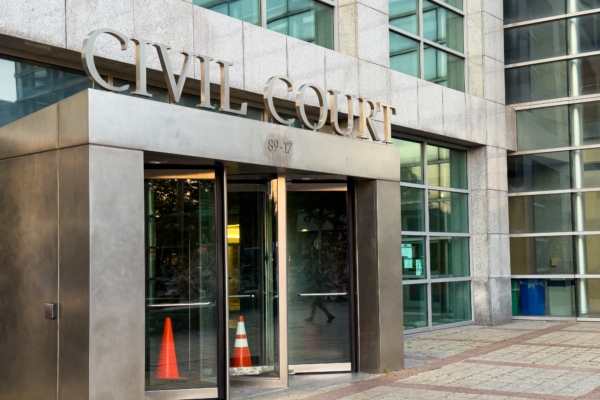
A recent study by a non-profit organization has revealed that in the face of continuously rising living costs in New York, ensuring the housing rights of low-income families through “affordable housing” has become increasingly unaffordable, leading to a notable increase in eviction lawsuits.
The non-profit housing policy research institution, the New York Housing Conference (NYHC), pointed out that in 2024, out of approximately 120,000 eviction lawsuits in New York City, over a third were initiated by owners of affordable housing subsidized by the government. These types of residences typically have property tax exemptions, low-interest financing, or government subsidies, and are required to set rent ceilings for low and moderate-income tenants.
The report indicated that out of around 43,000 eviction cases involving affordable housing in 2024, over 90% were due to “unpaid rent.” The significant levels of unemployment and wage reductions at the onset of the pandemic, along with increased living expenses in recent years, have made it challenging for many low-income tenants to pay rent on time, leading to accumulating rent arrears and ultimately entering into legal proceedings.
It is worth noting that the median rental arrears in affordable housing cases at the time of filing were less than $4,600, lower than the market-rate residences averaging $5,500, showing that tenants in affordable housing enter into the legal system for smaller amounts.
Rachel Fee, Executive Director of the New York Housing Conference, highlighted that eviction lawsuits are often used as a “pressure tool” by landlords to compel tenants to repay rent arrears or prompt faster government intervention to provide assistance. She called on the state government to expand rental assistance and suggested establishing “diversion courts” to allow tenants facing eviction to receive one-time emergency aid and negotiate installment repayment plans early in the process, reducing the waiting time for fund disbursement.
Brian Kavanagh, Chair of the State Senate Housing Committee, expressed support for the diversion court concept, believing that early case resolution could lower overall costs and benefit both tenants and landlords.
Fee recommended that the state legislature allocate approximately $17 million in the next year’s budget as initial funding to launch the program. Last year, the state budget allocated only $50 million for the new Housing Acquisition Voucher Program (HAVP), considered relatively small in scale.
The current New York City rental assistance program, CityFHEPS, has been spending over $1 billion annually, assisting over 60,000 households. Due to ongoing cost increases, Mayor Mamdani has not agreed to further expand the program’s eligibility.
The report mentioned that only a minority of cases actually proceed to forced eviction, with most tenants opting for installment payments, receiving subsidies, or leaving on their own at the last minute, often transitioning into the homeless shelter system. Nearly half of eviction cases are concentrated in the Bronx area.
Affordable housing loans typically assume that at least 95% of tenants can pay rent on time to support owners in repaying their loans. However, a report in October 2025 revealed that the rent collection rate for these government-subsidized residences had dropped to around 90%, with about one in ten housing units even falling below 80%.
Experts warn that without more forward-looking policy interventions, when even subsidized housing becomes unsustainable for low-income families, the concept of “affordable housing” may fall short of its name.