
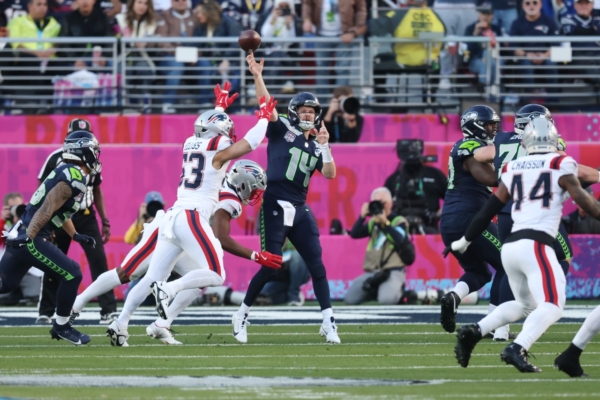
San Jose, February 18, 2026 – The city of San Jose announced on February 13 that with the conclusion of the 60th Super Bowl week, the downtown area saw a significant increase in foot traffic, air transportation, and commercial activities, bringing a notable economic boost and long-term development opportunities to the city.
During the Super Bowl week, the city government of San Jose highlighted that high-intensity operational tests were successfully carried out in various aspects such as transportation, public safety, city marketing, and inter-departmental coordination. From January 31 to February 8, the downtown area attracted a total of 459,200 independent visitors, marking a nearly 25% increase compared to the same period last year, demonstrating the enhanced attractiveness of the city due to large international events.
Mayor Matt Mahan stated that the Super Bowl week not only brought in short-term crowds but also comprehensively validated San Jose’s ability to host international events. He emphasized that the city has made significant progress in infrastructure scheduling, event planning, and integration of public services over the past decade. This momentum is expected to continue into the upcoming NCAA West Regional Championship and the FIFA World Cup, among other major events.
San Jose Mineta International Airport served nearly 130,000 passengers within the 12 days from January 30 to February 10, with an average of 18,000 passengers per day. On February 9 alone, the airport handled 26,000 passengers, marking an 84.9% increase compared to the same day last year. The airport smoothly coordinated team charter flights and additional commercial flights, ensuring unhindered operations. The city government mentioned that this experience will contribute to future peak period traffic management and the positioning of the airport as a regional aviation hub.
The opening night of the Super Bowl at the San Jose McEnery Convention Center attracted media and audiences from across the United States and overseas. Nearly 40% of participants came from areas more than 250 miles away, showcasing San Jose’s central role in the overall activity landscape of the Bay Area. Several national media reports focused on the South Bay event arrangements, significantly raising the city’s visibility.
Restaurant, retail, and hotel businesses in the area reported an increase in demand. The Bay Area Host Committee and multiple media outlets indicated that the entire Bay Area saw economic growth during the Super Bowl week, estimated to be between 500 million to 600 million US dollars. Referring to the 2016 Super Bowl data, San Jose received about 12% of the regional revenue distribution at that time. Although the complete statistics for this year are yet to be disclosed, preliminary data on foot traffic and commercial activities show significant benefits for the South Bay.
City Manager Jennifer Maguire mentioned that the Super Bowl marked the beginning of a series of major events, further solidifying San Jose’s position as a hub for sports, arts, and entertainment in the South Bay. She stressed that the benefits brought by large events are not only short-term consumption but also cover enhancing the city’s brand, strengthening investment confidence, and overall improvement of inter-agency collaboration ability.
Additionally, the city government and regional cooperation units conducted multi-level exercises in public safety and emergency response mechanisms, with the related experiences set to become crucial foundations for the preparation of future major events. Although large-scale events entail security and public service costs, an overall assessment indicates that the additional spending by cross-regional tourists injects strong economic vitality into the local economy.
Analysts pointed out that the significance of the Super Bowl week goes beyond short-term revenue growth, showcasing the city’s comprehensive governance capabilities and establishing long-term confidence among external parties.
With several international sporting events and cultural activities scheduled over the next few years, San Jose will leverage this experience to drive infrastructure upgrades and diversify economic development.
Overall, the Super Bowl week brought multiple enhancements to San Jose in terms of foot traffic, industries, and city image, laying a solid foundation for the operation of future major events. The complete economic and tourism data will be released by the organizers in due course.