
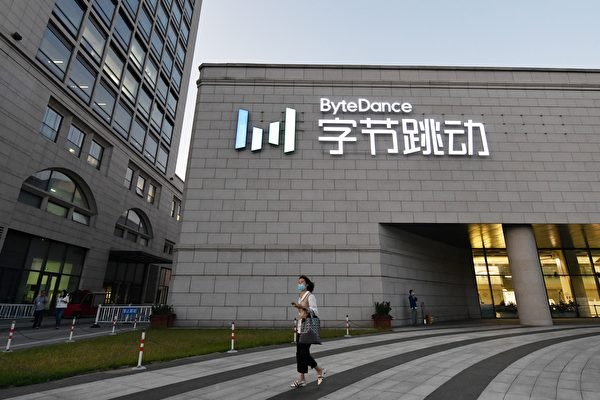
ByteDance’s newly launched AI video generator Seedance 2.0 has sparked a copyright controversy. The Chinese tech company responded on Monday (February 16) by promising to take measures to prevent users from unauthorized use of intellectual property (IP) and likeness.
Prior to this, several Hollywood giants led by Walt Disney have issued legal warnings against Seedance 2.0 for copyright infringement.
According to Reuters citing sources, Disney sent a cease-and-desist letter to ByteDance last Friday (February 13), accusing Seedance 2.0 of pre-loading a “pirated library” containing copyright characters from Marvel and Star Wars, considering them as public domain materials for users to use.
BBC reported Disney lawyers criticizing ByteDance’s actions as virtual smash-and-grab on intellectual property rights.
The tool released last week quickly gained popularity for its ability to generate realistic images. An AI video of Tom Cruise fighting Brad Pitt went viral online, causing strong concerns in the industry. It is worth noting that these controversial videos mostly spread virally worldwide through TikTok platform’s powerful algorithm, further amplifying copyright holders’ worries about losses.
Rhett Reese, the writer of “Deadpool and Wolverine,” predicted that in the future, individuals with talents akin to Christopher Nolan would be able to produce movies comparable to Hollywood blockbusters with just a computer.
Apart from Disney, the entire entertainment industry has joined the resistance. Paramount Skydance accused ByteDance of blatant infringement, while the Motion Picture Association (MPA), representing Netflix, Warner Bros, and other studios, accused ByteDance of massive unauthorized use of American copyright works. The Screen Actors Guild-American Federation of Television and Radio Artists (SAG-AFTRA) also condemned the tool for copyright infringement.
In a statement, ByteDance expressed respect for intellectual property rights and commitment to strengthening existing protection mechanisms to prevent the misuse of IP by users. However, the company has refused to disclose specific technical measures or enforcement plans.