
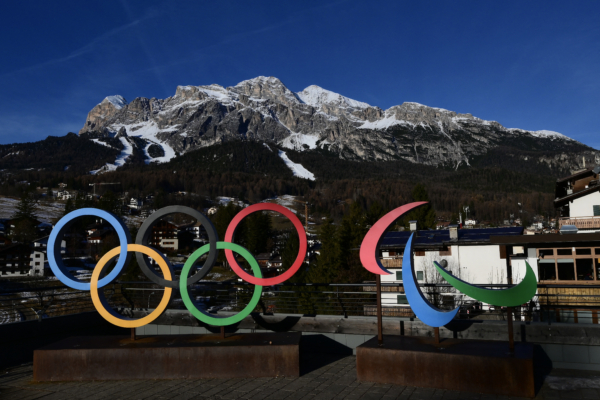
The 2026 Milan-Cortina Winter Olympics are still in full swing, with athletes vying for a spot on the podium not just for the glory and medals, but also for the tangible rewards such as money and luxury watches. This year, nearly 2,900 athletes from over 90 National Olympic Committees have gathered to compete in 116 events across eight sports. While the International Olympic Committee only awards medals and not cash prizes, many countries’ governments and National Olympic Committees offer financial incentives to medalists.
According to data compiled by CNBC based on information from various National Olympic Committees, sports associations, and local reports, Poland stands out in Europe for its generous and diverse rewards. Gold medalists can receive around $211,000 in prize money, along with a Toyota Corolla sedan, a deluxe two-bedroom apartment, a painting, a travel voucher, and jewelry. Silver and bronze medalists also receive cash rewards of approximately $169,000 and $124,000 respectively, along with artworks and jewelry.
Host country Italy offers cash rewards of $214,000 for gold medalists, $107,000 for silver, and $71,000 for bronze. South Korea provides approximately $208,000 for gold, $139,000 for silver, and $70,000 for bronze. Some countries go beyond official rewards. For instance, after South Korean snowboarder Choi Jae-won won a gold medal, the sports association awarded him 300 million Korean won (about $208,000), with additional luxury prizes like Swiss Omega watches from private companies.
The United States Olympic and Paralympic Committee offers $37,500 for gold medalists, $22,500 for silver, and $15,000 for bronze. Hong Kong sent alpine skiers and short track speed skaters to compete this year, with gold medalists receiving around $768,000, silver $384,000, and bronze $192,000. However, Hong Kong has yet to win a medal in the Winter Olympics.
Not all winter sports powerhouses provide direct cash incentives. Norway, with a historical dominance in Winter Olympics medals, does not offer cash rewards to medalists. Athletes can receive financial support from the Norwegian Olympic and Paralympic Committee, which includes an annual allocation of 160,000 Norwegian kroner (approximately $16,831), along with professional training and medical assistance if they continue to compete.
Some countries like the United Kingdom do not have a public medal reward system. British athletes do not receive additional cash bonuses for winning medals. However, UK Sport uses funds from the National Lottery to provide training, coaching, and development support for athletes.
Behind every Olympic medal is years of hard work and rigorous training. The competition on the Olympic stage can be decided within seconds, and stepping onto the podium might also mean a substantial income, changing lives forever.