
2026年02月14日報導:
The Chinese lunar new year is the most important annual festival for Chinese people around the world. According to Chinese traditional customs, overseas Chinese will rush back home before New Year’s Eve to reunite with their families. Every household will have a grand dinner on New Year’s Eve, gather around the stove to stay up late, give lucky money, and visit friends and relatives to exchange greetings during the first day of the new year.
As the Year of the Horse 2026 (February 17) approaches, streets and alleys are adorned with colorful decorations, and people everywhere are preparing for the long-awaited “family reunion” moment. For ethnic Chinese living in various parts of the world, especially those scattered across Asia, although they may not feel the festive atmosphere of their homeland during the Lunar New Year, they will still find ways to celebrate this joyful holiday in different forms.
In Malaysia, there are 2 days of public holidays during the Chinese New Year period. During the festive season, many people enjoy “lou sang”, where a variety of colorful ingredients such as fish, vegetables, and seasonings are placed in a large plate. People gather around, stand up, and use chopsticks to toss the ingredients in the plate repeatedly while saying auspicious words, praying for a prosperous and fortunate year ahead.
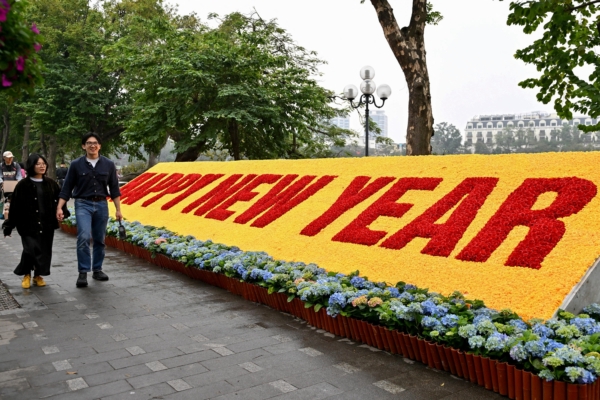
Chinese New Year is a statutory holiday in Vietnam, with a 5-day holiday break. Vietnamese people typically start preparations for the new year as early as the beginning of the lunar month, buying festive goods, preparing offerings, cleaning and decorating their homes, purchasing New Year paintings, and putting up couplets. Flowers that symbolize good luck and blessings are essential decorations, with three must-have items for the Vietnamese new year being peach blossoms, kumquat bonsai, and a bowl of five fruits.