
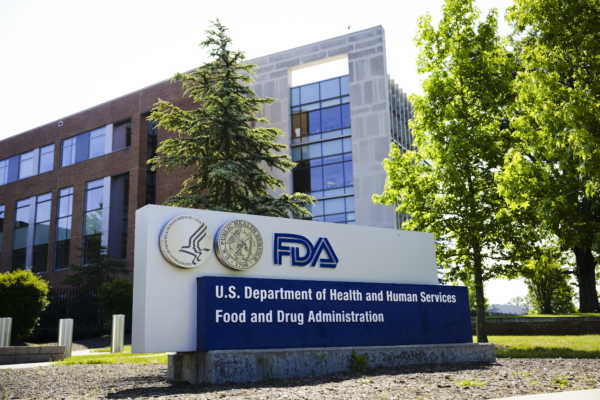
The Federal regulatory agency announced on February 10 that it is reviewing the safety of a preservative widely used in frozen foods, grains, biscuits, and ice cream.
The Food and Drug Administration (FDA) is assessing the existing evidence regarding Butylated Hydroxyanisole (BHA). Since 1958, this preservative has been classified by the FDA as “Generally Recognized as Safe” (GRAS).
According to federal laws and FDA regulations, as long as experts and existing data indicate that a certain additive can be safely used in food, the FDA can designate it as “Generally Recognized as Safe.” However, federal officials and external organizations are increasingly questioning this classification of BHA and other additives, deeming it necessary to reexamine their safety.
Health Secretary Robert Kennedy stated, “Although the National Toxicology Program has classified BHA as a ‘reasonably anticipated human carcinogen’ based on animal studies, it has continued to be present in the food supply for decades.”
He added, “This evaluation marks the end of an era in the food safety field of ‘trust us.’ If BHA cannot meet the highest standards of its current uses in today’s scientific community, we will remove it from the food supply, continuing to clean up food chemicals starting with areas posing the highest risks to children.”
BHA is primarily used to prevent fat and oil spoilage in food. The FDA noted that data from food labels show a decrease in the use of BHA in recent years, but it still remains in many products, including some aimed at children.
Dr. Marty Makary, the director of the FDA, said in a statement, “We are taking decisive action to ensure that chemicals in the food supply do not harm people.”
He stated, “The scientific community has raised significant concerns about certain chemicals currently present in the food supply. Once we complete the evaluation of BHA, the next step will involve a similar review of Butylated Hydroxytoluene (BHT), another synthetic preservative, and Azodicarbonamide, which is a chemical used in yoga mats and dough improvers.”
In 2025, the Environmental Working Group pointed out that BHA and BHT are associated with potential health risks, citing multiple research papers as evidence. The organization and the Consumer Brands Association, representing food manufacturers, did not respond to requests for comments before the deadline.
In the latest announcement, federal officials stated that the FDA is inviting the public to submit information regarding the use of BHA in food and its safety. They mentioned, “We will assess the data received along with other relevant information to determine if BHA remains safe for current food uses (such as additives) and food contact uses (such as packaging materials).” ◇