
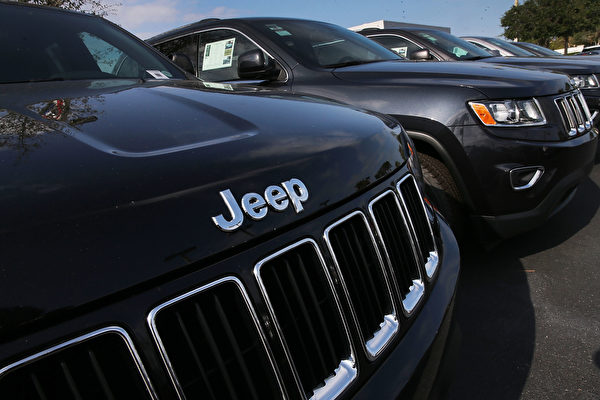
United States’ third-largest automobile manufacturing company, Chrysler, is recalling over 450,000 Jeep and Ram brand vehicles as well as thousands of individual trailer hitches due to a design flaw in the tow hitch module.
According to a report by the “USA Today” website on Thursday, Chrysler (also known as Fiat Chrysler Automobiles) notified the National Highway Traffic Safety Administration (NHTSA) on Monday of two recalls totaling 456,287 vehicles and an additional 2,871 tow hitch modules.
The models being recalled include the 2026 Jeep Cherokee, 2024-2026 Jeep Wagoneer S, 2025-2026 Ram 1500, Ram 2500, Ram 3500, Ram 3500 chassis cab, Ram 4500 chassis cab, Ram 5500 chassis cab, as well as certain Mopar brand trailer hitch modules.
The NHTSA reports that the tow hitch modules in the recalled vehicles have a design flaw. This defect can cause the brake lights on the connected trailer to not illuminate properly or lead to the trailer’s brakes completely failing, significantly reducing the vehicle’s visibility on the road and greatly increasing the risk of traffic collision. It is estimated that all recalled vehicles have a 100% chance of experiencing these safety flaws.
In response to this large-scale recall, Chrysler has devised a solution. For owners who have the defective tow hitch modules installed in their vehicles, they can bring their vehicles to an FCA or Chrysler authorized dealership to have the modules replaced free of charge. For those who have purchased but not yet installed the tow hitch modules, the dealerships will handle the repurchase process.
As per the recall plan, notification letters will be sent out to vehicle owners on March 24, 2026. Owners of vehicles with installed modules can contact customer service using recall code 03D, while owners of standalone purchased modules can use recall code 04D. If there are any inquiries, vehicle owners can call the Chrysler customer service hotline at 1-800-853-1403.
The NHTSA stresses that because this flaw directly impacts road safety, they recommend affected vehicle owners to promptly contact dealerships to arrange for free repairs or replacements.