
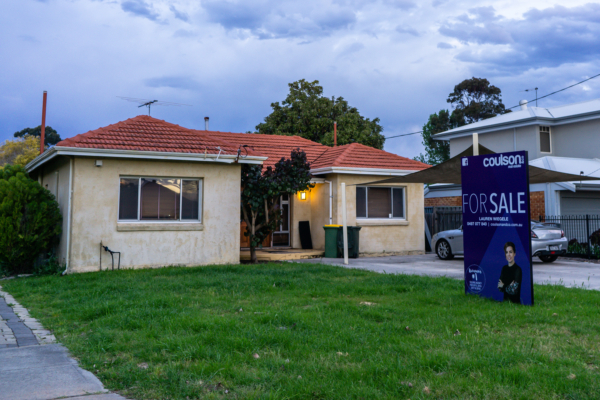
According to a report from real estate data company ATTOM, Americans are holding onto their homes for longer periods of time, especially in the expensive coastal markets.
In the fourth quarter of 2025, the average homeowner selling their house had owned it for 8.55 years, up from 8.05 years during the same period last year, marking the longest holding period since data has been recorded in 2000.
The top ten states with the longest homeownership durations in the fourth quarter of 2025, according to ATTOM data, are as follows:
• Massachusetts: 13.29 years
• Connecticut: 13.02 years
• California: 11.24 years
• Rhode Island: 11.04 years
• Washington: 10.86 years
• New Jersey: 10.09 years
• Oregon: 10.03 years
• Maryland: 9.74 years
• New Hampshire: 9.67 years
• Hawaii: 9.35 years
All of the above ten states are coastal states.
ATTOM stated that factors limiting the liquidity of these homes on the market include: 1. Homes being held with ultra-low mortgage rates; 2. Tight housing inventory; 3. Continuously rising housing prices.
Hannah Jones, senior economist at real estate website Realtor.com, mentioned that this pattern in coastal states reflects “structural supply constraints.”
Land use regulations in coastal states restrict land supply, one of the reasons for high home prices in these areas. Jones explained, “The prices of homes in these states are often the highest in the nation, and land use regulations are more stringent, limiting opportunities for large-scale new construction projects.”
Although housing prices in metropolitan areas of coastal states remain high, the number of sellers across the country now far exceeds buyers. This buyer’s market has led to significant discounts for homebuyers nationwide. According to a recent report from Redfin, the majority (62%) of homebuyers last year closed deals below the initial listing price.
States like Texas and Florida, where the construction industry has been thriving in recent years, currently have the strongest buyer’s markets in the country.
In theory, the increase in homeownership rates may suggest that homeowners holding onto their properties for the long term will eventually cash out, entering the early stages of the anticipated “silver tsunami,” where the baby boomer generation downsizes their housing.
Realtor.com’s data shows that national housing inventory has improved slightly but remains about 13% below pre-pandemic levels.
There are signs that factors driving homeowners to continue holding onto their homes are weakening. Recently, the proportion of homeowners with mortgage rates exceeding 6% has surpassed those with rates below 3%, a significant change that could weaken the rate lock-in effect in the coming year.