
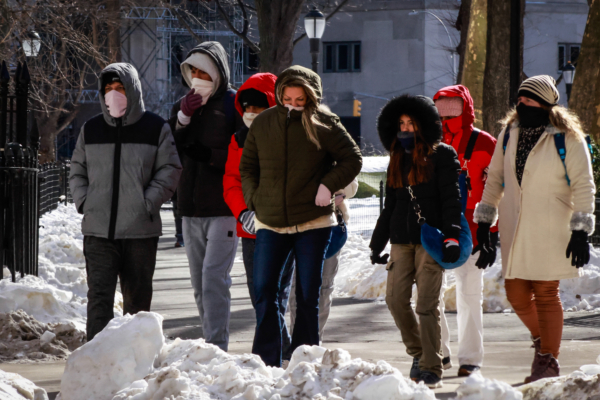
According to the National Weather Service (NWS) data, on Monday (February 2nd), the temperature in Central Park briefly surpassed 32 degrees Fahrenheit (0 degrees Celsius), ending a record nine-day streak of subfreezing temperatures. However, overall, the weather is expected to remain bitterly cold. In the coming days, daytime highs will hover around the freezing mark, with wind chill effects possibly dropping nighttime temperatures to single digits.
Historical data shows that the longest period of subfreezing temperatures in Central Park was 16 days in 1961, while the last time there was a streak of more than 9 days below freezing occurred in 2018, lasting 14 days. Meteorologists point out that the current temperatures in New York City are significantly below the average for this time of year.
Weather forecasts indicate that Arctic cold air will move further south on Thursday (February 5th), impacting the weekend weather, with daytime highs possibly reaching only the teens Fahrenheit, and the possibility of accompanying snowfall.
City officials continue to warn residents about the extreme risks of low temperatures. Mayor Mamdani cautioned, “This may be one of the harshest winters in New York City’s history. With this prolonged cold and snow that lingers, the danger is very real.”
The New York City Emergency Management Department is urging residents to minimize outdoor exposure, dress warmly when going outside, check on neighbors, and bring pets indoors. Heating centers and warming buses have been opened in all five boroughs, and residents can call 311 or go online to find the nearest locations.
City statistics show that the number of outdoor deaths during this cold wave has risen to 16 people, surpassing the 14 deaths caused by Hurricane Ida in 2021.
On the other hand, the accumulation of hardened snow and ice continues to increase the risks for commuters. The city’s sanitation department is using snow-melting equipment to expedite the clearing of pedestrian crosswalks, curbs, wheelchair ramps, and street corners of snow. It is recommended that residents temporarily hold onto recyclables until normal city services are restored, allowing the city to prioritize the disposal of garbage and food scraps.