
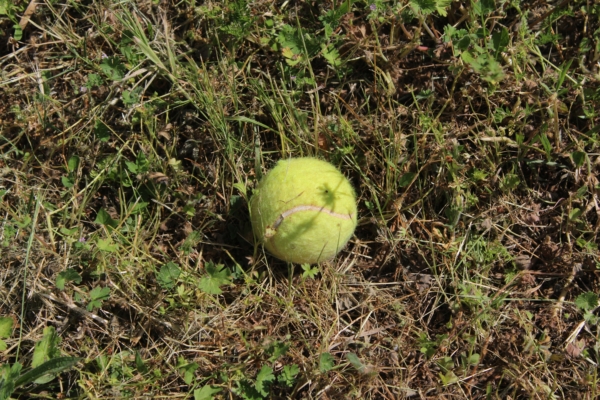
During the winter, people tend to spend more time indoors, which may lead them to overlook the conditions of their gardens or yards. However, experts in wildlife conservation suggest that during this period, placing tennis balls in your garden can help wild animals, especially in high-latitude areas, to survive the winter.
According to a report by the UK’s “Daily Express”, tennis balls, though seemingly insignificant, serve a much greater purpose beyond sports or playthings for pets. They can become crucial tools in the garden for wildlife, guiding birds, hedgehogs, and other animals through icy terrain.
You can start by preparing five or six old tennis balls or similar safe balls for dogs. Old balls are a great choice as they are usually softer and more budget-friendly. If the balls are dirty, make sure to clean them thoroughly and ensure they are not easily breakable to avoid wildlife swallowing small pieces.
Next, you can walk around your garden like a hedgehog or a bird, staying close to the ground and observing carefully to determine suitable spots for placing the balls.
You can place a ball near bird feeders as birds have faster wingbeats there and may land clumsily. Also, consider placing a ball near any smooth patio or wooden deck edges where freezing occurs, as birds might misjudge their landing spots.
Furthermore, scatter balls in areas where hedgehogs frequent, such as along fences, near compost heaps, or in crevices under sheds. These scattered balls quietly transform hazardous areas into a series of small, safe steps for wildlife to use.
In addition to aiding wildlife in navigation and foraging, placing tennis balls in the garden can help animals access water sources like ponds.
The Lancashire Wildlife Trust suggests, “To prevent water sources from freezing, you can place a tennis ball in the water—the wind will move the ball, preventing the water from fully freezing.”
The organization adds that birds still need water for bathing to maintain healthy feathers and coat them with natural oils, aiding in insulation during cold weather.
As reported by “Ideal Home” website, when temperatures drop suddenly, both birds and hedgehogs require assistance. Placing tennis balls in the garden can help them navigate icy surfaces.
Gardening expert Richard Barker explains, “Placing tennis balls in the garden benefits birds and hedgehogs as the balls provide stable perching spots in snowy conditions. The bright colors of the balls help birds easily locate perches, while the fuzzy surface acts as a non-slip surface for them to roost. If paths are slippery, hedgehogs may struggle to forage, so they can use tennis balls to maintain balance.”
Tennis balls also provide shelter for wildlife, as wildlife and gardening expert James Ewens states, “Tennis balls act as small shelters, providing additional hiding spots for small birds and hedgehogs to evade predators and adverse weather. They also create small crevices between the ball and damp soil where insects like to gather, providing a perfect feeding ground for wildlife.”
He further adds, “Placing tennis balls in the garden is a simple and effortless way to enhance your garden with additional habitat. While it cannot replace professional birdhouses or hedgehog houses, it does provide extra cover, attracts insects, and makes your outdoor space more wildlife-friendly.”
The Lancashire Wildlife Trust recommends that maintaining your garden in a natural state during winter, without pruning, can provide essential warmth and habitat for invertebrates. The more insects there are, the more food there will be for ground-feeding birds like thrushes.
Avoid trimming seed pods in winter as they serve as leftover food sources for birds – the stems even provide overwintering spots for insects.
If you must prune your garden, leave the cut branches and leaves on or near the ground. This practice also protects new shoots from frost damage.