
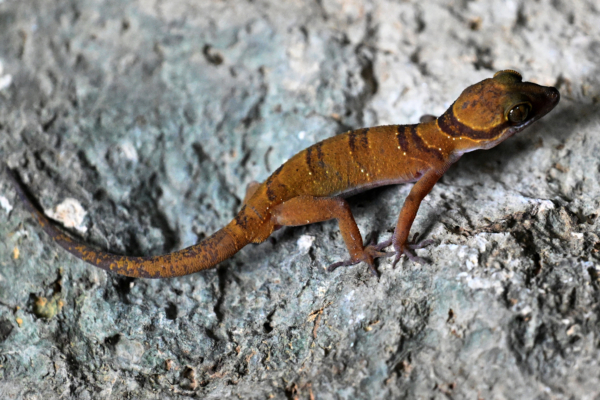
Recently Reported in the Epoch Times on December 21, 2025, a typical lizard (including geckos) is not large in size, usually feeds on insects, does not actively bite people unless they feel threatened or caught. However, because they may enter homes and spread bacteria, it is best to take measures to prevent them from entering, just like dealing with other pests. So, how can you prevent lizards from getting into your home?
According to the home living website “House Digest”, there are at least 6,000 known species of lizards worldwide, and this number is still increasing. The importance of lizards to the ecosystem is undeniable, but they are not suitable to be in your home.
In fact, if multiple lizards appear indoors, this not only means they have found a possible food source (such as insects), but they may also spread harmful bacteria, such as salmonella. To prevent lizards from settling in your home, you should first consider how they are entering indoors, and then seal off all openings that would allow them to enter.
Just like dealing with other types of pests in your home, the key to preventing lizards from entering is to take isolation measures. If you live in an area where lizards are common, they may sneak in occasionally when people open doors and windows, which is unavoidable. What people can control are the unintentional openings around the house that could give lizards the opportunity to enter indoors.
The Integrated Pest Management Program at the University of California states that according to empirical rules, any opening that is at least a quarter of an inch (0.6 centimeters) long is enough for lizards to crawl through.
You can walk around the house and carefully look for any small openings, including foundation cracks, gaps around roofs and windows, as well as gaps at the bottom of doors, around pipes, and near vents. Once you have identified openings through which lizards could enter the house, you can seal them with caulk or insulation material.
In emergencies, you can also use wooden blocks to block gaps such as the bottom of doors to prevent lizards from entering. If you keep doors and windows open for extended periods, it’s best to install screens around all doors and windows.
If you have sealed the gaps around the house but the lizard problem persists, it may be because you have missed some small openings, or lizards have been inside for a considerable time and have laid eggs. In such cases, you can seek professional assistance from pest control companies.
Once you have driven the lizards out of your home, maintaining indoor cleanliness, clearing clutter and debris are also important to prevent insect breeding. However, as lizards naturally help control pests, there is no need to eliminate lizards from your garden.
The University of California’s Integrated Pest Management Program mentions that good hygiene habits help reduce the number of lizards around the house, but hygiene alone cannot completely eliminate them. Storing wood, boards, cardboard boxes, burlap sacks, gardening tools, and other household items off the ground can reduce hiding spots for lizards and subsequently reduce their survival environment in that area.
Lizards rely on the surrounding environment to stay warm and hibernate in winter. One interesting feature of lizards is that when faced with danger, they may shed their tails to survive. The detached tail will continue to wriggle while the rest of the lizard escapes. This seems to be a self-defense mechanism that does not harm the lizard itself. Over time, a new tail usually regrows.