
Taste is a highly personalized concept, shaped by different backgrounds which lead to different aesthetic views. What one person likes, others may find tacky. The definition of “good things” in the eyes of the middle class differs from that of the wealthy, but this variance is more about one’s mindset rather than income level.
Another rule is that money cannot guarantee taste, and good taste does not always require money. Different backgrounds shape people’s understanding of “beauty.” Let’s be honest, everyone has a few tacky items they secretly love.
Therefore, there’s no need to judge what people buy. The important thing is to understand the deeper psychology behind taste.
Here is a list of various household items that the wealthy wouldn’t buy, but the middle class would splurge on, as compiled by the lifestyle magazine “Vegoutmag.” They believe these items represent good taste. This is because the two classes have different notions of luxury. The middle class often consumes to show off their status, while the wealthy focus more on comfort, durability, and simplicity.
The heavy, overly decorated sofas with ornate wooden frames and stiff cushions may look luxurious, but sitting on them isn’t comfortable.
Middle-class families often buy these types of furniture, but wealthy families avoid them for a simple reason: luxury begins with comfort, not decoration.
In the hotel industry, the finest items are always the most comfortable, with soft materials, simple details, and perfect proportions.
Wealth is understated, not ostentatious. Comfort is the true symbol of status.
Middle-class consumers often purchase household items with designer brand logos because they see it as a way to showcase taste or success. But the rich usually avoid placing anything with obvious brand names in their rooms.
In high-end restaurants, the best cutlery often doesn’t have brand logos. The finest linens also lack prominent labels.
Matching bedside tables, bed frames, dressing tables, benches – everything matching. This is very common in middle-class homes.
Wealthy families rarely do this. They mix different periods, materials, and styles of furniture.
Because matching furniture looks like mass-produced, it lacks personality. Carefully selected styles take time and thought. It evolves naturally rather than being a one-time purchase.
Turquoise toaster, neon green coffee maker, stainless steel appliances with gold trim. While they look fun, trendy colors quickly go out of style.
The wealthy usually opt for neutral-colored appliances because durability is more important than novelty.
Middle-class families often like to fill their space because empty shelves can make them feel incomplete.
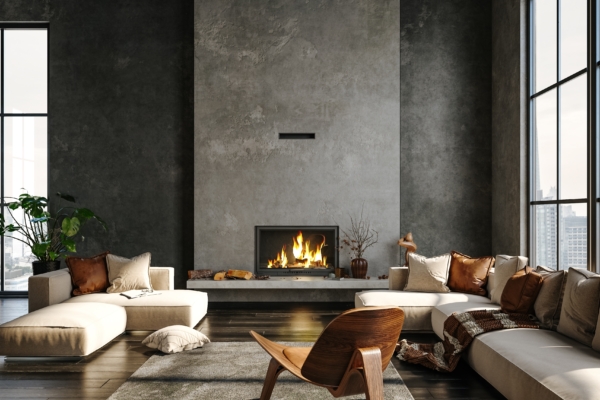
The interior design of wealthy families is vastly different. Minimalism is intentional, surfaces are clean and tidy. A shelf may only feature a vase or a sculpture.
In the world of luxury, clutter represents stress while space represents confidence.
Many middle-class households have china cabinets filled with fancy plates and gold-rimmed glasses, but these utensils are only used twice a year.
Wealthy families believe in using the best items every day. They prefer high-quality, durable tableware for frequent use.
The focus is not on displaying luxury but experiencing it every day.
Large leather sectional sofas are very popular in middle-class homes as they give a sense of grandeur and luxury, something one buys once in a decade.
However, the interior design of wealthy families often avoids using bulky furniture that dominates the entire room. These sofas usually look outdated, cumbersome, and lack sophistication.
Wealthy families value light contours, transparent layouts, and furniture that promotes communication rather than stifling the space.