
On December 13th, the 87th anniversary of the Nanjing Massacre, more than half of the Japanese schools in China announced the suspension of classes in light of two recent attacks against Japanese students in the country. The Japanese Embassy in China also advised Japanese residents to avoid speaking Japanese loudly in public places.
Out of the 12 Japanese schools in China, 7 decided to suspend classes on the 13th, while the remaining 5 in cities like Beijing and Shanghai opted for online teaching.
The Japanese Embassy in China had issued a notice on its Japanese website on December 6th, urging Japanese residents in China to take necessary precautions.
The notice mentioned the frequent occurrence of indiscriminate attacks across China and warned individuals to be extra cautious when going out, especially in groups or with children. It also advised against speaking Japanese loudly in public and avoiding clothing or items that could easily identify them as Japanese.
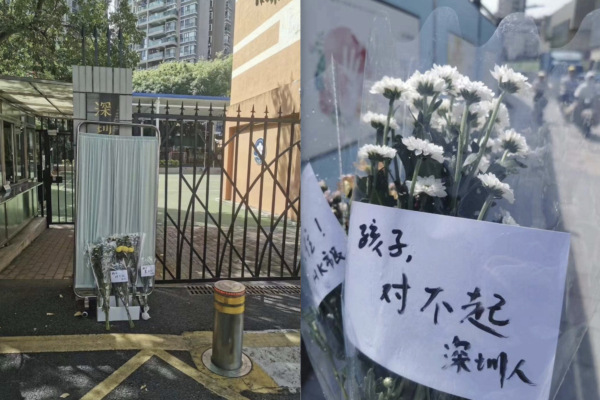
Two attacks targeting Japanese students within three months this year have sparked fear among the Japanese community in China. One incident happened on the 93rd anniversary of the “September 18 Incident,” where a 10-year-old Japanese boy studying at a school in Shenzhen was fatally attacked by a 44-year-old Chinese man with a knife on his way to school.
Another incident occurred in June when a Japanese school bus in Suzhou was attacked by a Chinese man at a bus station, leaving a Japanese mother and child injured and a Chinese bus attendant dead.
These incidents have highlighted the heightened anti-Japanese sentiment in Chinese society, drawing attention from Japanese authorities.
According to reports from Kyodo News, the Japanese government has requested through diplomatic channels that China strengthen the protection of Japanese citizens in China during the anniversary of the Nanjing Massacre.
A parent at the Shanghai Japanese school, Ms. Nakajima, expressed her concerns to Taiwan’s Central News Agency, stating that three months after the fatal stabbing of the boy in Shenzhen, many parents are still very worried. Besides suspending classes or switching to online teaching on specific days, they hope for a fundamental solution to the problem so that Japanese residents in China no longer have to live in fear.