
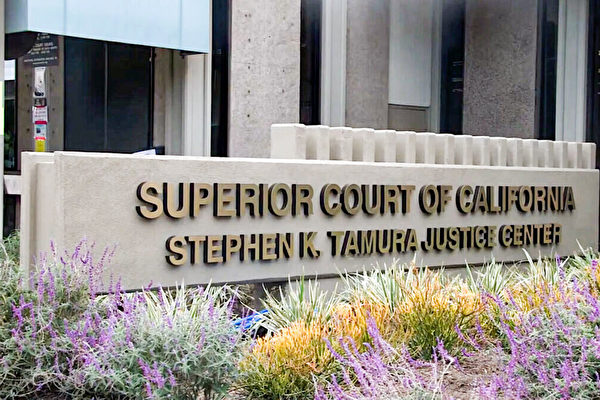
A civil organization called “California Family Law Naked Truth” is spearheading a campaign to recall six family and probate judges at the Orange County Superior Court in Southern California. The petition drive is set to officially begin after approval at the Orange County Registrar of Voters, leading to a public vote by the end of this year.
This rare initiative reflects growing public discontent with the family court system. Advocates and legal observers from the organization believe there is systemic corruption, judicial misconduct, and serious dereliction of duty in protecting children’s rights within the system.
On December 17, 2025, Judges Kimberly Carasso, Carol L. Henson, Maria D. Hernandez, Mary Kreber-Varipapa, Stephen Hicklin, and Julie A. Palafox were served with notices of recall petitions. The judges have not yet responded.
The recall has garnered support from hundreds of families, with each judge having over 260 signatures collected against them. Previous investigative reports have raised concerns about conflicts of interest involving court-appointed attorneys for minors, guardians ad litem, therapists, and professionals associated with the court, leading to children being taken away from parents and deprived of contact, as well as retaliation against those seeking accountability.
In a notice addressed to Judge Carasso, the organization accused her of displaying ongoing judicial bias, lack of impartiality, and disregard for due process in family law proceedings. Multiple cases have indicated her favoritism towards certain attorneys and a lack of capacity to fairly assess complex child custody matters, resulting in unjust outcomes that harm children’s rights and erode public trust in the family court system.
Judge Hicklin was accused of repeatedly abusing his judicial discretion, infringing on Orange County residents’ constitutional rights by limiting parental rights without factual or evidential basis and making rulings based on personal beliefs and speculation to punish litigants seeking to assert their own rights.
One of the cases involving Judge Carasso was the Taran and James Nolan custody dispute. Despite a series of judicial changes, delays, and refusals to hear the case, the final ruling stripped Taran, a quadriplegic, of custody of their three children, imposed a five-year domestic violence restraining order against her, and labeled her as the primary aggressor in domestic violence incidents involving a wheelchair confrontation with James and their children.
Following a severe car accident in South Carolina in September 2020, Taran and the children were involved, resulting in fatalities and serious injuries. Taran’s care after the accident was reportedly inadequate, with witness testimonies suggesting neglect and mistreatment by James. Taran faced multiple hospitalizations due to complications of improper care until she eventually moved into a hotel with the help of a friend.
Tensions escalated when James restricted Taran’s access to essential items and physically blocked her from returning home, leading to police intervention and subsequent legal actions, including mutual restraining orders and ultimately divorce proceedings. Despite these challenges, Taran has shown signs of recovery and resilience, documented through online messages of her rehabilitation journey.
Judge Carasso was appointed to the Orange County Superior Court by Governor Newsom in July 2024, as part of the governor’s over 630 judicial appointments by August 2025. Critics argue that the lack of competitive selection processes for judges could limit public oversight and accountability.
Similarly, Judge Hicklin, a former lawyer with ties to a pro bono legal clinic for the transgender community, was appointed by Governor Newsom in October 2023. Upon assuming the bench, Hicklin handled cases impacting the lives of children and parents in the family court system. The organization “California Family Law Naked Truth” has highlighted concerns over potential conflicts of interest and impartiality in his judicial role.