
Different states in the United States have varying regulations and enforcement measures when it comes to wearing seat belts while driving. Some states like California, Texas, Florida, and Hawaii have primary enforcement laws, where law enforcement officers can pull over and ticket drivers or passengers solely for not wearing a seat belt. On the other hand, states like Arizona and Nevada have secondary enforcement laws, where seat belt violations are only added on if a primary violation, such as speeding, is observed.
All states require drivers to wear seat belts. Most states also mandate that minors wear seat belts, with specific provisions for children under a certain age or height, who may need to use booster seats or rear-facing car seats for added safety. Penalties for seat belt violations vary among states, with some issuing higher fines for repeated offenses or imposing additional fees such as court costs and contributions to special funds.
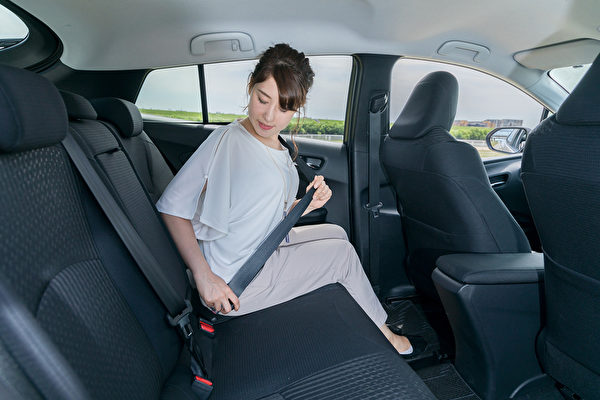
In terms of seat belt usage, statistics show that wearing seat belts can significantly reduce the risk of death in accidents. Front-seat occupants are at a lower risk of fatal injuries when wearing seat belts, and this risk further decreases if rear-seat passengers also buckle up. Due to the higher risks associated with front-seat passengers, many states encourage or require young children to sit in the back seat.
For example, in California, all individuals must wear seat belts, with fines starting at $20 for a first violation and escalating for subsequent offenses. In contrast, states like Alabama enforce primary laws for front-seat passengers and secondary laws for rear-seat passengers, with fines ranging from $25 to $50 for adults.
While some states only mandate seat belt use for front-seat passengers, others require all occupants to buckle up. Laws vary on the age at which seat belt usage becomes mandatory and the fines for violations. Each state has its own specific regulations to promote road safety and reduce traffic-related injuries and fatalities.
The debate over seat belt laws continues in some states, with discussions on potentially increasing enforcement measures for adult seat belt use. In New Hampshire, for instance, the issue remains a matter of personal choice, with a seat belt usage rate of only 75.5% in 2024, contrasting with Hawaii’s high usage rate of 98.4%, which is the highest in the nation.
Efforts have been made over the years to amend seat belt laws in certain states. In 2023, six state legislators proposed a bill in favor of mandatory seat belt use for adults aged 18 and above. However, the bill was rejected in the state house by a vote of 206 to 162, with opponents arguing that such laws infringe on personal freedoms and violate residents’ rights to be free from government intervention, as guaranteed by state laws.
Despite ongoing debates and varying enforcement measures, the importance of seat belt use in preventing injuries and saving lives remains a key focus in state road safety policies. The regulations aim to create a safer environment for drivers, passengers, and especially vulnerable road users such as children.