
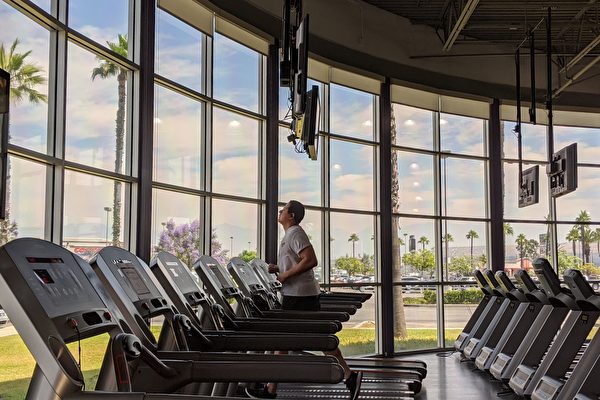
China’s economy continues to decline, triggering a domino effect that impacts various industries due to weak consumer spending. Following the collapse of the well-known Chinese fitness brand “Yizhao Wade,” another leading chain fitness brand, Will’s, is also facing a crisis. Multiple branches across the country are facing the dilemma of closing down and unable to pay rent, leaving members with no way to get refunds.
According to Nikkei Asia, in December, Will’s Fitness suddenly closed more than 30 gyms in Shanghai. Among the approximately 30 remaining branches still in operation, most employees are uncertain about how long these branches can stay open.
As per reports, Will’s Fitness was founded by former weightlifting champion Wang Wenwei in 1996. It has hundreds of directly operated stores nationwide, covering 12 first and second-tier cities, with over 5 million paid members. In 2018, the group received investments from L Catterton Asia, a subsidiary of the luxury giant LVMH Group, which gradually completed the acquisition of an 80% stake in Will’s Fitness.
Both L Catterton Asia and Will’s Fitness Group have not responded to requests for comments from Nikkei Asia.
According to reports from Chinese media, a notice published in early December on Will’s Fitness’ WeChat official account mentioned that factors such as the macroeconomic downturn since the pandemic in 2020, downgraded consumption, intensified competition in the fitness market, and market panic caused by the closure of competitors led to the closure of stores.
The notice also stated that the consolidation of some stores is a “normal, proactive business adjustment,” and some stores need to reduce rental costs in order to continue operations.
In fact, many of Will’s Fitness branches are experiencing overdue rent, utility bills, and being urged for payment by property managers.
In one Shanghai downtown branch, a notice posted on December 12th indicated, “Will’s Fitness has ceased operation due to poor management.” Due to the sudden closure of the gym, many members were unable to retrieve their personal belongings. The notice provided an address for members to reclaim their items.
While one branch located in a bustling shopping area in downtown Shanghai is still operating, a notice posted at the entrance reveals that Will’s Fitness owes over 2.7 million yuan (approximately $370,000) in rent and other fees. If left unpaid, the property management company will seal off the branch.
In October, a Will’s Fitness store in Chengdu’s Jinniu District suddenly closed without any prior notice. Some members gathered at the store’s entrance to demand their rights.
Chinese fitness clubs attract consumers to sign long-term contracts with discounts and other perks, a practice that has drawn criticism. If a gym suddenly closes, members face the dilemma of not being able to get refunds.
A male member mentioned in Nikkei’s report stated that he had purchased a “lifetime” membership at Will’s Fitness for 25 years and is now urgently looking for a refund application channel. Other members have expressed that closures like these have become increasingly common since 2022.
On the Chinese city lifestyle review website Dianping, a user mentioned spending about 25,000 yuan last year to purchase a 10-year membership at a Will’s Fitness branch, but the branch closed in November.
The widespread closure of Will’s Fitness stores in China is not an isolated incident. Tera Wellness Club, with approximately 150 branches nationwide, closed most of its branches last year; and the well-known Hong Kong fitness chain, Physical Fitness & Beauty, shut down all operations in Hong Kong and mainland China in September.