
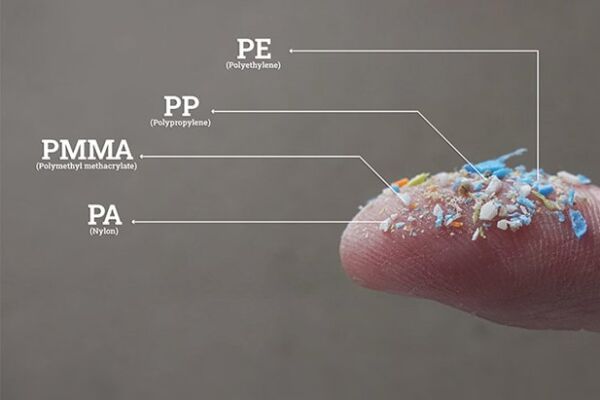
Plastic microbeads (microplastics) are a new type of pollutant that is widely present in the air, water, soil, and human food, with significant impacts on daily life. The sources of these particles are diverse, including tires, which is often overlooked. Statistics show that nearly 30% of plastic microbeads worldwide are generated from tire wear and tear, highlighting the urgent need for attention to this issue.
Dr. Henry Obanya, a Ph.D. candidate in Ecotoxicology at the University of Portsmouth in the UK, emphasized in an article on The Conversation website that globally, billions of vehicles produce approximately 6 million tons of tire particles each year.
Tire microbeads represent a significant yet often overlooked factor in plastic microbead pollution, accounting for 28% of such pollutants in environments worldwide. Despite being a major issue, tire microbeads have not received adequate attention. They are usually lumped together with other plastic microbeads, rarely recognized as a distinct pollution category, even though their unique characteristics call for different treatment methods.
Dr. Obanya suggested that given tires are a major source of plastic microbeads, viewing tire pollution as a distinct problem could lead to targeted solutions and raise public awareness needed to address the increasingly serious environmental threats.
Tires are typically manufactured from a mixture of synthetic rubber, natural rubber, and hundreds of chemical additives. This implies that the consequences of tire pollution could be unexpected and far-reaching.
For example, zinc oxide comprises approximately 0.7% of a tire’s weight. While crucial for enhancing tire durability, zinc oxide is highly toxic to fish and other aquatic organisms, posing a threat to ecosystems even in trace amounts.
Another harmful additive is a chemical called 6PPD, which prevents tire cracking. When exposed to air and water, it transforms into 6PPD-quinone, a compound linked to significant fish deaths in the United States.
Dr. Obanya pointed out that the heavier the vehicles, including electric cars with heavy batteries, the faster tires wear down, leading to increased plastic microbead pollution in the environment.
Automotive industry experts Nick Molden and Felix Leach advocate for manufacturers bearing weight-based taxes under the “polluter pays” principle, as vehicle weight significantly impacts the environment. This approach could encourage manufacturers to adopt lighter vehicle designs, incentivizing consumers to make more environmentally friendly choices.
However, many questions remain unanswered. For instance, it is unclear how far these tire microbeads disperse or where they specifically accumulate.
To comprehensively assess the environmental impact of tire microbeads, detailed information is required to understand which tire additives pose the greatest toxicity, how they behave in the environment, and which species are most at risk (such as certain salmon species sensitive to 6PPD-quinone).
In the long term, standardized methods for measuring tire microbeads and developing effective regulations are crucial.
Dr. Obanya highlighted that regulatory frameworks like the upcoming Euro 7 vehicle emissions standards in the EU provide a starting point for controlling tire emissions but additional measures are necessary.
Innovations in tire design, such as environmentally friendly alternatives to toxic substances like zinc oxide and 6PPD, can significantly reduce environmental harm. Establishing a global team composed of scientific and policy experts can further coordinate research and regulatory efforts.
It is crucial to classify tire microbeads as a distinct pollution category. Unlike traditional plastic microbeads, tire microbeads behave differently in the environment, breaking down into unique compounds and posing unique toxicological challenges.
With over 2 billion tires produced globally each year for increasingly heavy and numerous vehicles, this issue is bound to escalate. Unless we recognize and address the specific problems, environmental losses will only increase, not decrease.
Dr. Obanya concluded that weight-based taxes and environmentally friendly tire innovations can not only reduce tire pollution but also pave the way for a more sustainable transportation system. The question is not whether we have the ability to take action, but whether we can afford the cost of inaction.