
Amtrak and NJ Transit Announce Major Railway Switching Project
Amtrak and New Jersey Transit have announced the commencement of a crucial railway switching project starting from February 15th, lasting approximately one month. During this project, significant adjustments will be made to the railway commuter services between New Jersey and New York City. The railway operation between Newark and Secaucus will be reduced to single-track operation, leading to a decrease in train frequency entering and exiting Pennsylvania Station in Manhattan. The switching operation is expected to be completed by March 14th, with regular train schedules resuming the following day.
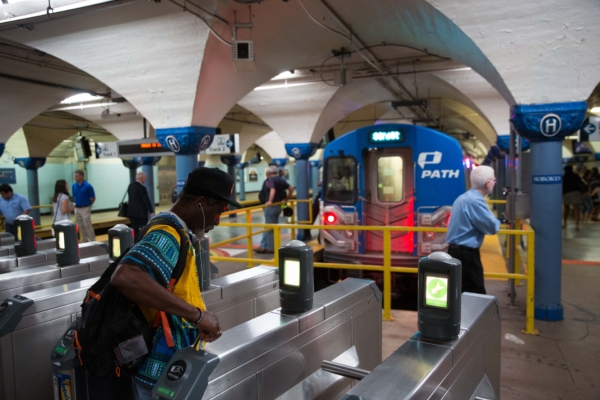
For New Jersey commuters, the “Midtown Direct” direct service to Manhattan on the Morristown Line, Gladstone Branch, and Montclair-Boonton Line will be temporarily suspended on weekdays. Trains will now terminate at Hoboken. Passengers can transfer locally to the PATH subway to reach 33rd Street in Manhattan or utilize ferries and the New Jersey bus system. Relevant tickets will be mutually accepted during the project. PATH has advised that stations like Hoboken are expected to see a significant increase in passenger traffic during this period.
During the project, Amtrak will adjust over 280 train services, including routes such as Acela, Northeast Regional, and Keystone, with some trains being temporarily canceled. Passengers can seek assistance in revising their travel plans through customer service hotlines or official websites. Both Amtrak and NJ Transit recommend passengers allocate extra commuting time, consider alternative modes of transportation, or remote work if necessary.
The completion of the switching operation on March 14th will see the restoration of normal train schedules the next day. Officials from New Jersey have stated that after the project’s completion, there will be a significant reduction in delay risks, enhancing the reliability of railway services to and from New York City.
Amtrak President Roger Harris expressed that upon the project’s completion, a key factor contributing to prolonged delays will be eliminated, providing commuters with a more reliable service.
The Portal Bridge, spanning the Hackensack River, is a century-old movable bridge that has been plagued by mechanical aging and signal malfunctions due to the frequent need to open and close to accommodate river vessel traffic. The bridge has frequently caused train delays and interruptions. Since NJ Transit and Amtrak share tracks north of Trenton, issues with the Portal Bridge tend to quickly impact the entire Northeast Corridor.
To address this structural bottleneck, relevant government agencies have finished constructing the fixed Portal North Bridge, which eliminates the need for regular opening and closing and is expected to significantly reduce such risks. However, during the transition between the old and new systems, there will unavoidably be impacts on commuting and train schedules in the short term.