
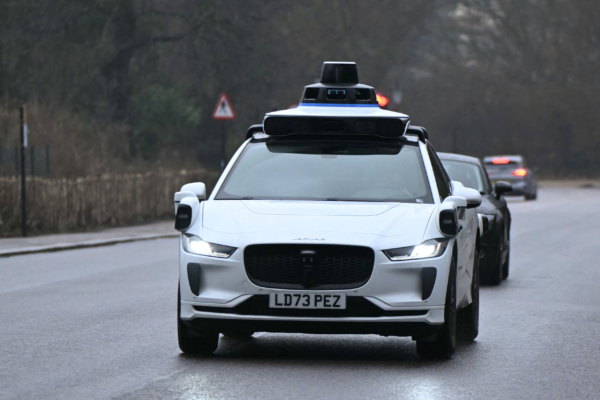
A recent survey shows that the majority of New Yorkers are opposed to self-driving taxis, especially those operated by Waymo. Respondents are concerned that this technology may not only threaten the livelihoods of drivers but also struggle to navigate the complex and ever-changing traffic and harsh weather conditions on the streets of New York.
The survey, commissioned by the non-profit organization Black Car Fund and conducted by the Siena College Research Institute, interviewed 802 registered voters in New York State at the end of January this year. The results revealed that nearly sixty percent of those surveyed stated that they would feel unsafe if there was no human driver in the vehicle. Among the five boroughs of New York City, only about 25% of residents support the operation of self-driving vehicles on the roads.
Governor Hochu announced in the State of the State address plans to introduce legislation this year allowing for the testing of self-driving vehicles outside of New York City. She stated that based on years of testing experience, the cautious introduction of autonomous vehicles could improve road safety and transportation options.
However, self-driving cars are still heavily restricted within New York City. Last August, former Mayor Adams allowed Waymo to test eight vehicles in the city under the condition that there must be a safety driver in the vehicle and prohibited them from carrying passengers. The pilot program was later extended until the end of March this year.
Current Mayor Mamdani has not taken a clear stance on the Governor’s proposal to expand the pilot program for self-driving cars.
Waymo currently operates autonomous taxi services in cities such as Los Angeles, San Francisco, Austin, Phoenix, Atlanta, and Miami. The company claims to provide approximately 400,000 rides per week with an accident rate ten times lower than that of human drivers.
However, the introduction of self-driving cars in New York has sparked protests from labor and disability advocacy groups. People with disabilities point out that autonomous vehicles cannot assist wheelchair users in boarding and alighting; taxi and delivery drivers believe that this technology poses a “life-threatening threat” to their livelihoods.
Bhairavi Desai, president of the New York Taxi Workers Alliance, bluntly states that those most eager to replace human labor with machines are often “billionaires who are as rich as countries and even want to immigrate to other planets,” while ordinary people clearly see the impact of automation and artificial intelligence on employment and social value.
Surveys and public opinion indicate that before autonomous driving technology fully enters New York, both the city and state governments will have to address significant public concerns and political resistance.