
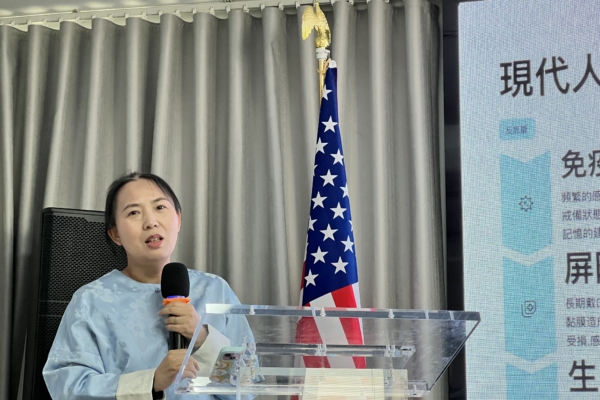
A health insurance consultation event organized by the New Tang Dynasty Great Epoch Media Group attracted a large number of residents from the Chinese community last Saturday (January 24) at the Cypress Hills Community Service Center in Brooklyn. The event provided medical and insurance advice in Chinese and featured Dr. Yanying Huang, a third-generation expert in traditional Chinese medicine, who gave a keynote speech on “Winter Health and Immunity Enhancement.” Approaching the topic from both a traditional Chinese medicine perspective of “nurturing yang energy” and a Western medicine view of “boosting immunity,” Dr. Huang outlined a practical and actionable winter health defense plan for the attendees.
Dr. Huang pointed out that winter is a high-risk period for respiratory illnesses due to the cold and dry climate making viruses more viable, as people spending extended periods in poorly ventilated indoor spaces increases the risk of droplet and contact transmission.
From the dual perspective of traditional Chinese and Western medicine, Dr. Huang cited the “Huang Di Nei Jing” recommending to “store energy during winter… avoid disturbance to yang,” explaining how the body’s yang energy decreases and its surface defense weakens in winter, making it more susceptible to invading cold pathogens. She also referenced Western studies showing that as temperatures drop, the body’s immune response weakens significantly, with every 10°C drop potentially reducing nasal mucosa’s immune defense by 30% to 50%, combined with decreased sunlight exposure leading to vitamin D deficiency, increasing the risk of respiratory infections by over 40%.
Describing the body’s immune system as akin to a military force, Dr. Huang highlighted that excessive and prolonged strain can lead to fatigue and reduced function, resulting in more severe symptoms and slower recovery when facing viral invasions.
Discussing the impact of modern lifestyles on immunity, Dr. Huang emphasized the negative effects of lack of exercise, insufficient sunlight exposure, chronic anxiety, and staying up late on overall resistance. She stressed the importance of moderate sun exposure for vitamin D synthesis, regular physical activity, and adequate sleep as foundational practices for immune system repair.
Dr. Huang introduced key areas in traditional Chinese medicine for “nurturing yang,” including the neck (acupoint Dazhui: gathering point of yang energy, wear scarves for wind protection), back (Du meridian and bladder meridian susceptible to overall fatigue from cold), waist (kidneys are the source of yang energy, keep them warm), and feet (cold starts from the feet, soaking feet with ginger, mugwort, and safflower before bed for 20 minutes). She mentioned that the Dazhui acupoint, the convergence point of yang energy, benefits from frequent warming or moxibustion treatments to invigorate yang energy and prevent colds.
For managing initial cold symptoms, she shared simple home remedies. For colds caused by wind-cold, she recommended warming the back, drinking ginger with brown sugar water, and keeping warm to “ward off the illness”; if experiencing fever or sore throat indicating wind-heat symptoms, methods like gua sha could help reduce the fever. However, she warned that these approaches should not replace professional medical treatment, and individuals should seek medical attention for persistent high fever, difficulty breathing, or confusion.
The dietary principle in winter is to “warm and tonify while avoiding coldness.” Dr. Huang recommended lamb soup, Chinese yam, black sesame, and jujube ginger tea to tonify the spleen and stomach, nourish qi and blood, warm the kidneys, and protect yang energy, advising caution against over-nourishment. She cautioned against consuming various cold foods in winter, stating that iced drinks directly damage spleen and stomach yang; consuming raw and cold salads burdens the spleen and stomach with excessive yang energy consumption, and eating cold fruits in winter can harm yang energy. While pears have lung-moistening and cough-suppressing properties, she advised against consuming them raw for those with wind-cold coughs, recommending steaming before consumption.
Regarding dietary supplements, Dr. Huang recommended prioritizing natural foods. She suggested obtaining nutrients from deep-sea fish, fruits, vegetables, and whole grains instead of relying heavily on single-component nutritional supplements, highlighting the balance and safety of multiple components in whole foods.
In summary, the top ten keys to winter health maintenance are keeping the neck, back, waist, and feet warm, sleeping before 11 p.m., consuming nourishing soups, avoiding raw and cold foods, utilizing moxibustion for health maintenance, supplementing vitamins D/C, zinc, engaging in regular exercise, controlling humidity, ensuring proper ventilation, and early intervention.
In conclusion, Dr. Huang emphasized the importance of “nurturing positive qi within to ward off evils,” urging people to start with daily routines, diet, exercise, and emotional management to gradually accumulate health capital and establish their own winter protection network.