
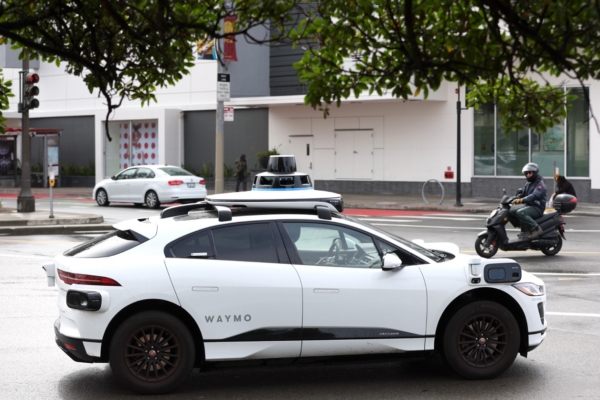
Recently, the largest autonomous taxi operator in the United States, Waymo, has announced plans to introduce robotaxi services in the New York area, sparking wide discussions among politicians, labor groups, and the local community. Supporters see promising technological prospects, while opponents express concerns about safety and employment impacts. The question of whether New York is suitable for fully opening up autonomous driving services has become a major controversy in current urban policies.
Currently, Waymo has obtained limited testing permits from the city of New York, allowing them to conduct autonomous vehicle testing in certain Manhattan and Brooklyn neighborhoods. However, human safety drivers must still be present in the vehicles, and they have not been authorized to carry passengers or engage in commercial operations. This arrangement demonstrates a cautious regulatory attitude by the New York state and city government in balancing innovation promotion and public safety maintenance.
According to POLITICO, proponents of autonomous driving technology point out that robotaxis help reduce human errors, enhance traffic safety, and improve transportation efficiency. Waymo has accumulated hundreds of thousands of autonomous driving trips in other cities and continues to collect road data through testing to pave the way for future commercial deployment. The tech industry believes that if New York continues to keep autonomous taxis out in the long term, it may miss out on competitive opportunities in the transportation sector.
However, opposition voices are equally strong. Taxi and rideshare driver groups have warned that once robotaxis hit the roads on a large scale, they could impact the livelihoods of over 140,000 licensed drivers and further squeeze the already highly competitive taxi market. Bhairavi Desai, the chairperson of the New York Taxi Workers Alliance (NYTWA), bluntly stated that without adequate transition and protection measures, the expansion of autonomous vehicles could substantially affect drivers’ income and job stability.
Governor Hochul of New York has proposed legislative plans to establish a more comprehensive commercial framework for autonomous driving vehicles within the state, but for now, New York City is excluded, highlighting special considerations for metropolitan environments. If the bill is passed, limited pilot programs may first be conducted in other cities or regions, while simultaneously developing stricter safety and local support standards.
Overall, the entry of Waymo and robotaxis is no longer just a question of technological maturity but a comprehensive test affecting employment, traffic safety, urban governance, and public trust.