
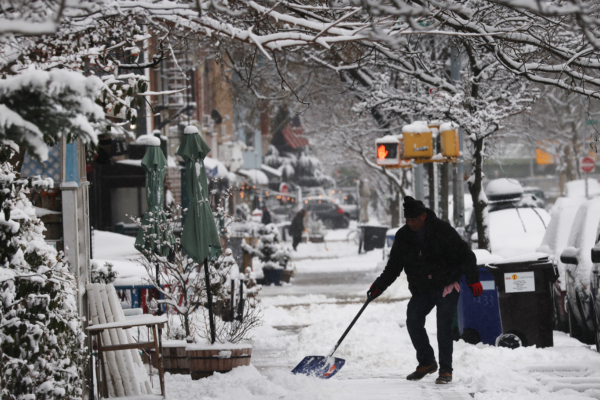
New York City is once again facing low temperatures, icy sidewalks, and heating system failures as a bone-chilling cold snap sweeps across the five boroughs this weekend. In response to this winter weather risk, the city government has activated a “Code Blue” alert to strengthen relevant responses and protection measures. Our report has also summarized several precautions to be taken during these cold winter days, urging citizens to stay vigilant and prepare for the cold.
The so-called “Code Blue” alert is issued by the city government when the temperature (including wind chill) drops to 32 degrees Fahrenheit (0 degrees Celsius) or below from 4 p.m. in the afternoon to 8 hours later the next morning. Based on the wind chill calculation results from the National Weather Service, additional cold weather preparedness and outreach services will be activated.
The city government reminds residents that in the event of a heating system failure in apartments, tenants should contact their landlords or building managers immediately, as well as report the issue through the 311 Citizen Service Line by phone or online.
According to New York City regulations, the period from October 1st to May 31st of the following year is designated as the “heating season.” Landlords are required to maintain minimum indoor temperatures as follows: from 6 a.m. to 10 p.m., the indoor temperature must be at least 68 degrees Fahrenheit when the outdoor temperature is below 55 degrees Fahrenheit; from 10 p.m. to 6 a.m., the indoor temperature must be at least 55 degrees Fahrenheit when the outdoor temperature is below 40 degrees Fahrenheit.
While waiting for heating repairs, the city government recommends that individuals wear layers of clothing, seek warmth in public spaces or visit friends and family if possible. If landlords fail to address heating issues promptly, residents should continue to follow up on their complaints through the 311 system.
In cases of insufficient heating, electric heaters can be used as a temporary supplement, but must be used safely. It is emphasized that portable gas or kerosene heaters are illegal devices in New York City due to the high risk of fire they pose.
Safety precautions for using electric heaters include:
1. Keeping the heater away from any objects
2. Never leaving it unattended while in use
3. Ensuring the vent faces open space
4. Unplugging the heater when not in use
During the severe cold period, the Department of Homeless Services (DHS) has intensified citywide outreach efforts to encourage individuals experiencing homelessness to seek shelter in warming spaces or “Drop-In Centers.” These centers are open year-round, providing shelter, hot meals, clothing, and shower facilities.
The DHS outreach teams patrol the five boroughs around the clock, and if residents notice homeless individuals who may need assistance, they can request outreach support by calling 311 or using the mobile app.
The Department of Environmental Protection (DEP) reminds homeowners to prevent water pipes and meters from freezing. While the city government can repair frozen water meters, fees will be charged for the service, and other pipelines must be repaired by licensed plumbers.
Recommended measures include sealing cracks in doors and windows, shutting off and draining outdoor hoses, insulating water meters and pipes, and if away for several days, having someone periodically run faucets to prevent freezing.
The New York City Emergency Management (NYCEM) advises against unnecessary travel during snowstorms or extreme cold weather; drivers should choose main roads whenever possible. Pedestrians should watch out for “invisible black ice,” wear slip-resistant shoes, use handrails when going up or down stairs, and especially seniors should be cautious to avoid falls.
The Department of Sanitation is responsible for clearing streets and bike lanes, while homeowners are required to clear snow from sidewalks. The city government reminds residents not to push snow into the streets, but to pile it near buildings or on the curb, maintaining at least 4 feet of clear walking space.
The Parks Department warns that even if lakes, ponds, and waterways appear frozen, the ice may not be thick enough to support weight, making it extremely dangerous to venture onto. Parents are urged not to let children near frozen bodies of water and to abide by safety signage in parks.
The city government emphasizes that with proper preparation, close monitoring of weather changes, and effective utilization of resources like the 311 system, health and safety risks posed by severe cold weather can be significantly reduced.