
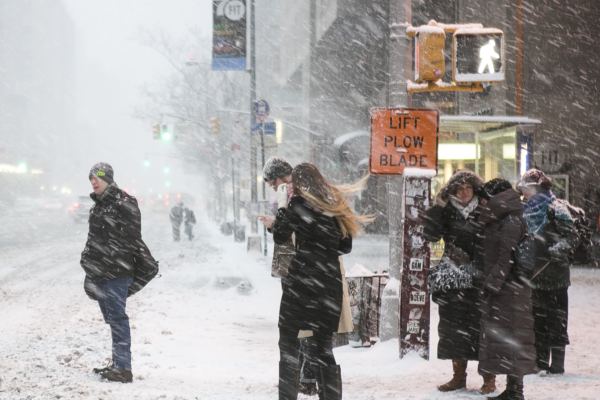
New York City may see another wave of heavy snowfall and frigid weather this weekend. Weather forecasts indicate that Arctic cold air and low-pressure systems will impact the area over the weekend into early next week, potentially bringing over 6 inches (about 15 cm) and up to 1 foot (about 30 cm) of widespread snowfall to the city. The snow accumulation is expected to linger for a long time, affecting commuting, schools, and business activities. Authorities are urging residents to make preparations for staying warm and emergency situations.
The U.S. National Weather Service stated that the system could bring significant snowfall to New York City from Sunday to Monday.
By early Saturday morning, the chance of snowfall is around 50%, with overnight temperatures dropping to 13 degrees Fahrenheit (about -10 degrees Celsius).
Sunday daytime temperatures will remain low, reaching a high of only around 19 degrees Fahrenheit (about -7 degrees Celsius), with a 50% chance of snowfall continuing possibly into Monday.
Overall, temperatures are expected to hover in the teens for the next week, with bone-chilling cold.
Meteorologists from the National Weather Service are advising people planning to go out to be extra vigilant, especially drivers. They state, “The current consensus from all sides is that it will snow at least. If there is heavy snowfall, be sure to have emergency supplies in your car, such as a snow brush, or even a small shovel.”
The City’s Emergency Management Bureau has also issued warnings, indicating that outdoor activities may pose “life-threatening conditions.”
The city is urging residents to dress warmly, limit prolonged outdoor exposure, and actively check on neighbors and family, especially the elderly and vulnerable populations. Additionally, the city’s sanitation department has increased manpower to clear accumulated snow from sidewalks, intersections, and critical pedestrian pathways to ensure basic safety for pedestrians.
Furthermore, homeowners are reminded by the city to take precautions against the cold to prevent water pipes from freezing or bursting due to low temperatures, which could lead to property damage.