
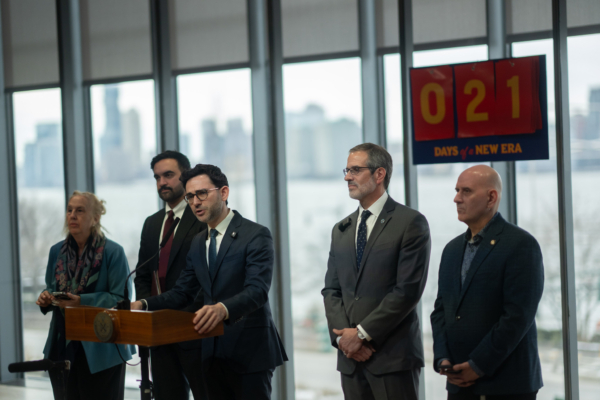
New York Mayor Mamdani, together with the Commissioner of the Department of Consumer and Worker Protection (DCWP) Levine, unions, and city council members, announced on Wednesday (January 21) that the DCWP has issued final regulations to prohibit hotels from charging guests hidden fees such as “resort fees” and “management fees” that are not clearly disclosed in advance, and further requires businesses to disclose mandatory fees at the time of booking, including credit card holds and deposits. The city government stated that the regulation will take effect on February 21 and is estimated to save consumers over $46 million annually.
Hidden fees often surface for guests after check-in or at the time of payment, leaving consumers to discover they have been charged additional costs afterwards. These fees not only impact tourists but also put New York residents at risk of facing similar issues when booking accommodation elsewhere. The new regulations are set to coincide with the 2026 FIFA World Cup events, aiming to reduce the burden on travelers and prevent unscrupulous businesses from inflating costs. The Mayor emphasized that while law-abiding hotels will not be affected, the city will enhance enforcement against those engaging in predatory practices, stating that “if you don’t change your ways, the city will change them for you.”
Commissioner Levine pointed out that the DCWP received over 300 complaints related to hidden hotel fees last year, with economists estimating that such fees result in around $65 million in wasted time and money for New York City residents and visitors annually. He highlighted that hidden fees not only deceive guests but also damage the reputation of hotels that price honestly and transparently, ultimately affecting frontline hotel staff who bear the brunt of guest frustrations, impacting New York City’s reputation as an international tourism destination. Levine described the new regulations as not only prohibiting hidden fees but also setting disclosure obligations for “surprise” credit card holds and deposit arrangements, calling them among the “first of its kind” in the U.S.
Rich Maroko, the President of the New York Hotel and Gaming Trade Council (HTC) present at the press conference, mentioned that the hotel industry faces various long-standing controversies beyond hidden fees, including issues related to labor safety, harassment risks, and illegal outsourcing, urging the city government to strengthen enforcement measures.
Harvey Epstein, the newly appointed Chair of the City Council Consumer and Worker Protection Committee, stated that banning hidden fees sends a message from the new city administration to businesses that New York should not tolerate consumer deception through opaque billing practices.
During the Q&A session at the press conference, Mayor Mamdani also faced questions about financial matters. When asked whether he is prepared to implement spending cuts in the event of a budget deficit in New York City should the state government not agree to tax increases, the Mayor reiterated his support for taxing corporations and high-income earners, criticizing the previous administration’s financial mismanagement. Regarding reports suggesting that his aides had indicated to the governor’s team a possible delay in implementing the “tax on the wealthy” under certain conditions in exchange for childcare funding, the Mayor did not directly confirm the report but reiterated his support for a 2% income tax increase on individuals earning over a million dollars annually, clarifying that there is a misunderstanding in the media regarding the extent of tax hikes.