
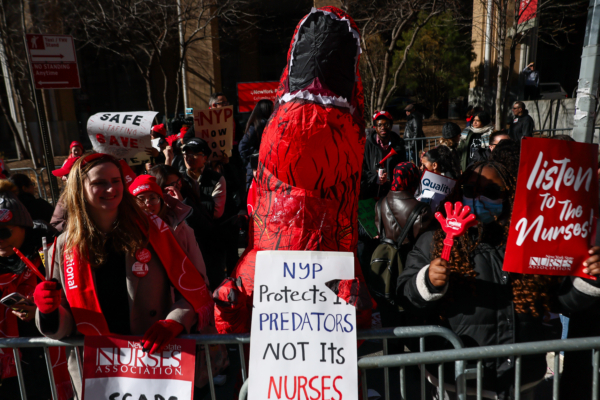
The ongoing large-scale nurse strike in New York City has entered its ninth day as contract negotiations between labor and management have once again collapsed. The New York State Nurses Association (NYSNA), representing the nurses, and several major hospital systems have failed to reach consensus on key issues such as salary adjustments, staffing levels, and retention bonuses, leading to a deadlock in negotiations and prolonging the strike action.
According to reports from multiple English-language media outlets, a new formal negotiation time has not yet been scheduled. The hospitals continue to address the labor shortage by hiring temporary nurses at high wages and adjusting the scale of medical services. The union has stated that the strike will not end easily without specific and actionable concessions and emphasizes that their core demand is to improve long-standing staffing shortages and ensure patient safety.
As the nurse strike enters its second week, concerns about patient care safety have escalated across society. Recently, there have been claims circulating on social media platforms suggesting that “patients may have died due to the strike,” but as of now, no state government, hospital system, or law enforcement and medical regulatory agency has publicly confirmed this. The Sinai Health System has also denied any patient deaths due to the strike and stated that the hospital is still maintaining emergency and critical medical services.
The state government is closely monitoring the situation. Officials have previously warned that if the strike continues, it may further stress the healthcare system, especially in emergency rooms, intensive care units, and long-term care services. Medical experts point out that even without verified cases of death, delays in treatment, prolonged transfer times, and reduced services could pose a threat to high-risk patients themselves.
The union reiterates that the responsibility for the strike does not lie with frontline medical staff, but with the hospital management’s failure to address staffing shortages and nurse fatigue issues. On the other hand, the hospitals argue that the union’s demands would significantly increase operational costs and affect the long-term financial stability of the hospitals. With both sides holding divergent positions, the prospects for negotiations remain uncertain.
Some analysts believe that without strong intervention from a third party or breakthroughs in state-level policies and funding arrangements, this strike is likely to drag on without a resolution in the short term.