
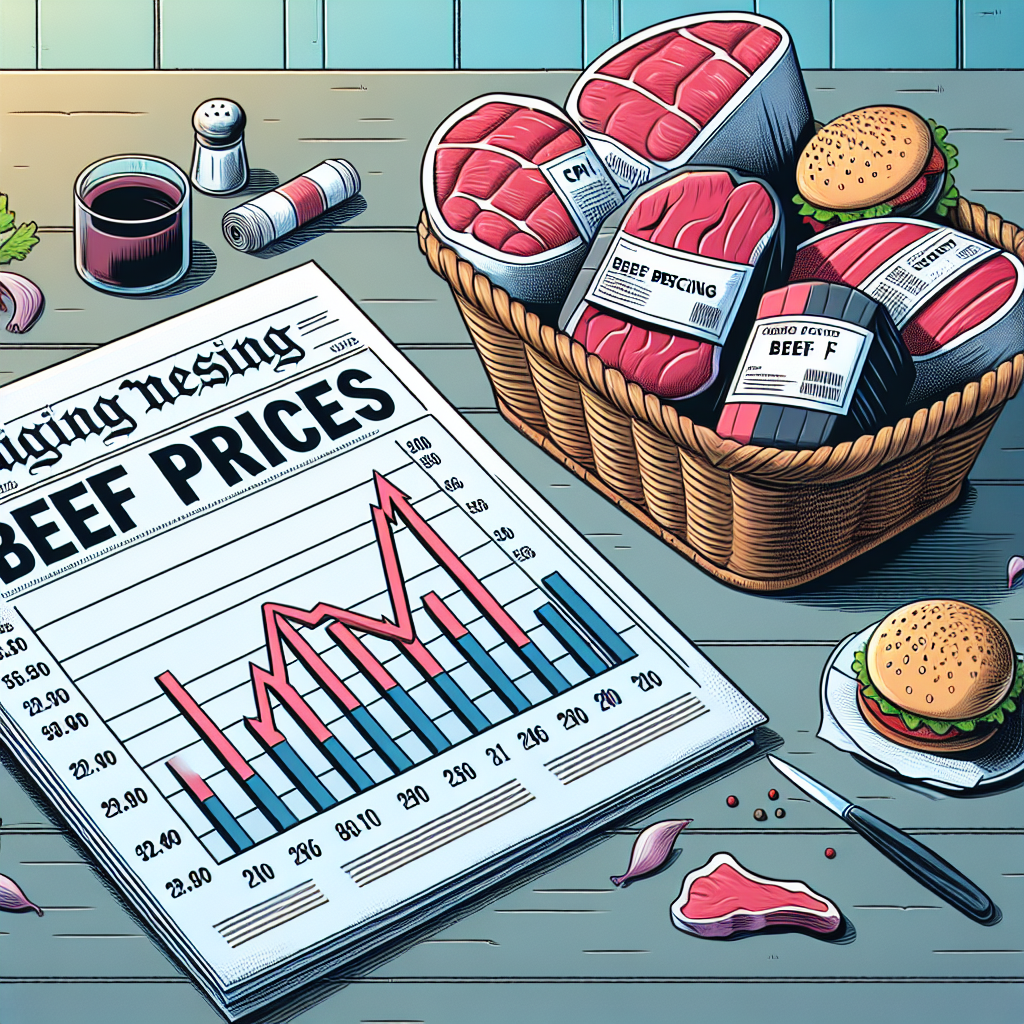
The latest inflation data released by the U.S. government shows that beef prices continue to soar, with American families paying more for steaks, barbecue, and hamburgers.
According to the Consumer Price Index (CPI) data released by the U.S. Bureau of Labor Statistics this week for December, the prices of beef and veal rose by 1% from the previous month and increased by 16.4% compared to the same period last year.
The price of steaks rose by 3.1% in December compared to the previous month and increased by 17.8% compared to the same period last year.
Ground beef prices saw a more modest increase of 0.2% in December, but the year-on-year increase reached 15.5%.
The price of roast beef declined by 1.6% in December, but still rose by 17.5% compared to the same period last year.
The rise in beef prices significantly exceeds the broader inflationary indicators, as compared to that, meat, poultry, and fish only saw a 0.5% increase from the previous month and a 6.9% increase from the same period last year.
Overall food prices rose by 0.7% in December from the previous month and increased by 3.1% year-on-year; while the CPI data across all categories showed that inflation drove prices up by 0.3% from the previous month and by 2.7% from the same period last year.
Over the past year, beef prices have been steadily rising as the national cattle inventory has dropped to its lowest level in 70 years.
Beef, especially beef and veal, continued to rise in price in 2025, surpassing increases in milk, bread, and chicken, becoming the daily staple with the highest increase in price for 2026.
The increase in beef prices is attributed to various factors, including short-term and long-term factors, with the reduction in the U.S. cattle population being the main reason.
Despite recent measures taken by the Trump administration, such as lowering beef import tariffs, to try to bring down beef prices, experts say that other systemic issues like drought could keep beef prices high in the coming years.
Since 2020, due to drought in some regions, the U.S. cattle population has dropped to the lowest level in decades.
Drought conditions, rising grain prices, inflation, and increasing interest rates have collectively led to a significant increase in cattle farming costs in recent years, forcing farm owners to reduce the size of their herds.
Compared to previous shortages in egg supply, the beef supply shortage is more challenging and may require adjustments over several years to resolve. In the cattle farming industry, each cow can only give birth to one calf at a time. If the calf is a female and the farm owner wants to use it for breeding to rebuild the cattle population, it cannot be used for beef production in the short term.
(This article references reporting from Fox Business News.)