
**Iran Protests Sparked by Bank Collapse**
The earliest catalyst for the protests in Iran was the collapse of a secretive bank, as reported by the Wall Street Journal on Wednesday, January 14th. The Ayandeh Bank, Iran’s largest private bank, was seen as a symbol of the system – operated by close associates of the ruling elite, serving their vested interests, while the ordinary citizens bore the brunt of its failure.
Established in 2013 by Iranian businessman Ali Ansari after merging with other banks, the Ayandeh Bank was affiliated with one of Iran’s wealthiest families and had close ties to former President Mahmoud Ahmadinejad. Economists noted that the bank offered the highest interest rates in Iran, attracting millions of regular depositors, while also heavily borrowing from the Central Bank to sustain its operations, creating a financial house of cards similar to other Iranian banks.
The Ayandeh Bank had been involved in various large-scale construction projects, most notably the Iran Mall in Tehran, which boasted luxury amenities like an ice skating rink and a cinema, with an area twice the size of the Pentagon. However, the bank’s financial operations suffered from a lack of oversight and concentration of funds within its own projects, leading to a Ponzi-like scheme where customers were essentially investing in the bank’s own ventures.
Following Iran’s continued advancement of its nuclear program in 2018, the US reinstated sanctions on Iran, exacerbating the financial strain on the banking system. The dependence on high-interest unsecured loans from the Central Bank, coupled with rampant money printing, accelerated inflation and weakened the financial system further.
Starting in 2024, Iran faced frequent power outages due to natural gas shortages and environmental crises, deepening public dissatisfaction with the government’s mismanagement of the economy and energy resources.
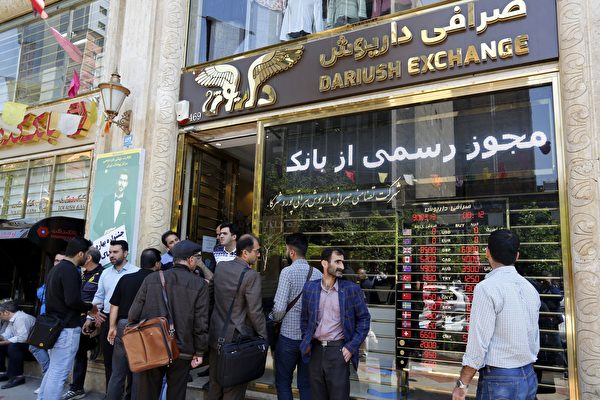
The economic collapse in Iran was a culmination of years of mismanagement, with various factors collectively erupting into a crisis in 2025. The Iranian Rial depreciated by 84% against the US Dollar in 2025, leading to a 72% increase in food prices compared to previous years, making basic necessities unaffordable for many.
The population expressed grievances about stagnant wages amidst rising costs, with retailers struggling to price their goods due to the Rial’s devaluation, resulting in losses even before items hit the shelves.
In June of the same year, a 12-day war broke out between Iran and Israel, further disillusioning the Iranian population with the regime’s ability to protect its citizens. As defense spending increased, sanctions tightened, and security pressures mounted, the legitimacy of the current government dwindled.
Simultaneously, international sanctions and financial blockades intensified, leading to a capital flight from Iran and exacerbating the economic turmoil domestically. Estimates by economists suggested that between $10 to $20 billion left Iran in 2025, portraying a dire situation unsustainable in the long term.
By the end of 2025, discontent towards the Ayandeh Bank had reached a boiling point, with calls for the Central Bank to step in. Threats from judiciary officials spurred the Central Bank to dissolve the bank, absorbing $5 billion of its debt and forcing a merger with the state-owned Bank Melli, a move aimed at concealing losses through extensive money printing.
Reports indicated that at least five other Iranian banks were facing similar fates, including the state-owned Bank Sepah, which had absorbed other failed banks. The collapse of the Ayandeh Bank further accelerated the legitimacy crisis of the regime following Israeli attacks.
In late December 2025, protests erupted in multiple cities across Iran, sparked by economic hardships and bank collapses, leading to a violent crackdown by government forces and resulting in tragic casualties.