
China’s mainland is currently facing political darkness and economic downturn. Observers from within the system have noted various chaos erupting in the country, from government officials adopting a “lying flat” attitude to a general deterioration in social norms, lamenting that society has “completely gone rotten.”
Mr. Liu, an insider, shared his observations with a reporter, highlighting the unfavorable conditions in the country. He mentioned that the overall situation is quite grim, with falling property prices, insufficient wages for the youth, and low salaries for civil servants, many of whom are financially supported by their parents to make ends meet.
According to Mr. Liu, many workers are struggling to make a living as earning money has become increasingly difficult. Numerous stores are closing down, especially in urban areas, with small eateries and clothing shops on main streets shutting their doors, unable to sustain their businesses. The common people are facing financial hardships as a result.
Mr. Liu also expressed concerns about the dire situation in various food-producing regions such as Anhui, Henan, and Shandong, where unrelenting rainy weather has damaged the autumn crops. However, local governments have failed to organize any disaster relief efforts to assist the affected areas.
He pointed out that the crisis in the food supply has been a long-standing issue, exacerbated by the lack of government response to provide financial aid and organize relief efforts. The absence of effective governance and accountability has led to funds meant for projects being mismanaged or embezzled, further worsening the situation.
Regarding the agricultural sector, Mr. Liu highlighted challenges faced by farmers, such as the high cost of production and the inability to turn a profit due to various factors like reduced subsidies and lack of government support. The shift towards mechanized farming has also impacted traditional farming practices, making it difficult for farmers to sustain their livelihoods.
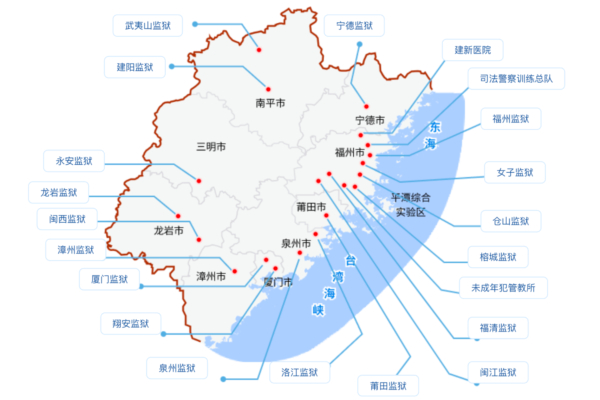
Furthermore, Mr. Liu shed light on the deteriorating conditions in prisons, where inmates are subjected to harsh labor conditions with little regard for their basic rights and well-being. The exploitation of prison labor for commercial purposes, including the production of electronics and textiles, reflects a systemic issue with the treatment of incarcerated individuals.
The healthcare system has also been under strain due to recent reforms that have reduced personal medical insurance benefits and increased restrictions on reimbursements for essential medical expenses. Citizens have been facing challenges in accessing affordable healthcare services and essential medications, leading to further dissatisfaction with the government’s management of the healthcare sector.
In addition to these issues, social problems such as the prevalence of prostitution, divorce rates, and financial burdens associated with marriage have added to the overall disillusionment and discontent among the population. The rise in illicit activities and moral degradation in society signals a deeper societal crisis that needs to be addressed urgently.
As the country grapples with a range of economic, social, and governance challenges, Mr. Liu’s insights offer a sobering look into the realities faced by the Chinese population, raising concerns about the sustainability of current policies and the need for comprehensive reforms to address these pressing issues.