
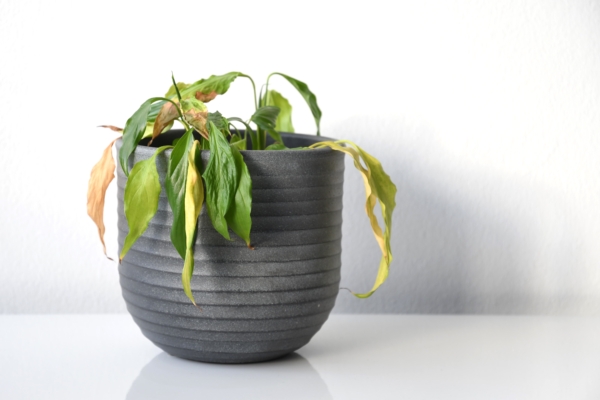
In winter, one common mistake people make when taking care of indoor plants is overwatering, which can lead to yellowing, wilting, or drooping leaves. In some cases, it can even cause root rot, leading to the plant’s rapid demise.
According to Reader’s Digest, winter poses challenges for indoor plants due to reduced sunlight, decreased humidity, and exposure to cold drafts. When unintentional overwatering is added to the mix, it can make their survival even more challenging.
Horticulture expert Justin Hancock points out that the most common and costly mistake in caring for indoor plants during winter is overwatering. Many people tend to follow a routine and may continue watering their plants as they did in the summer. However, this can result in root rot.
Root rot can kill even the healthiest indoor plants within a week, depending on the plant species, potting medium, and level of soil moisture.
Hancock explains that reduced light intensity and shorter daylight hours in winter cause plants to grow at a slower rate, resulting in less water absorption. Failure to reduce watering amounts can lead to waterlogged soil.
Waterlogged soil reduces oxygen content, affecting the roots’ ability to absorb water and nutrients. Waterlogged roots are also prone to harboring pathogens, leading to root rot.
Plants originating from desert regions are often sensitive to overly moist soil. Plants with thick or waxy leaves, slow growth, and fewer leaves usually require less water. Plants such as cacti, snake plants, pothos, orchids, and money trees should be watered only when the soil has dried out.
On the other hand, some plants prefer consistently moist soil. These are typically species with thin leaves that do not hold much moisture. Plants like peace lilies, spider plants, ferns, and thin-leaved trailing jade do not mind slightly more water during the winter.
To prevent overwatering in winter, consider the following simple methods:
• Avoid sticking to a strict watering schedule
Hancock advises against following a set schedule for watering. Test the soil’s moisture level with your finger before watering. Most indoor plants prefer watering when the top one to two inches of soil has dried out, although certain cacti and desert plants may prefer slightly drier conditions.
• Do not let plants sit in standing water for extended periods
Ensure that your plants get ample water when watering, but do not let them sit in water for too long. If your plant is in a tray or saucer, remove excess water 15 to 30 minutes after watering.
• Consider using an automatic watering system
Hancock uses an automatic watering system for his sensitive Geogenanthus plant in winter. Automatic watering systems help maintain stable soil moisture levels. He notes that despite having the heating on almost constantly, his plants have not experienced leaf yellowing.
If your plants are already struggling with other winter-related issues and you have overwatered them, they may wilt faster. Follow these additional care tips to keep your plants thriving during the winter:
• Increase air humidity
Hancock suggests grouping plants together as they release moisture through transpiration from their leaves. He also recommends using a humidifier, which is more effective at increasing air humidity than a spray bottle.
• Provide more light
Placing your plants on a sunnier windowsill or adding grow lights can help them grow better in winter. Remember to dust off the leaves as this not only makes them look brighter but also helps them absorb more light since dust-free leaves are more efficient at photosynthesis.
• Keep plants away from drafts
Avoid exposing plants to drafts, which is unnatural as they are not exposed to significantly higher or lower air temperatures in nature. Moving plants away from heating vents or windows where cold drafts enter can help prevent yellowing leaves or premature leaf drop.
• Protect them from cold exposure
Hancock warns that temperatures below 50 degrees Fahrenheit (10 degrees Celsius) at night can harm plants. Even a brief journey from a warm store to a cold car can damage tropical indoor plants. Similarly, allowing plant leaves to touch old, uninsulated cold windows can cause similar issues.
If your plants are on the brink of death due to overwatering, gently remove them from their pots and check their roots. Overwatering can turn leaves yellow or brown and cause root rot. For plants with rotted roots, repotting and using new soil may help save them.