
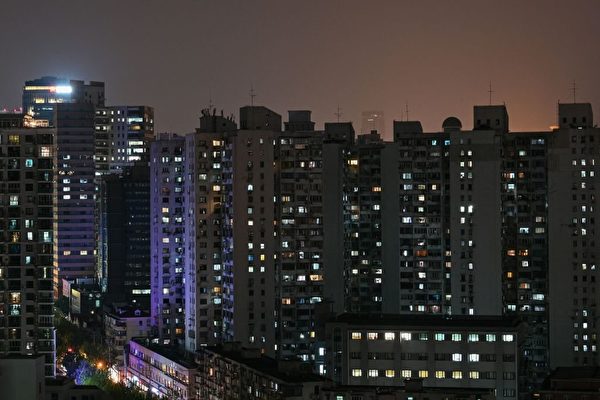
In recent times, multiple cities in China have been pushing for a mandatory “health check” for old houses, with Zhengzhou, Changsha, Tianjin, Shenyang in Liaoning, Nantong in Jiangsu, and other places issuing relevant management measures and technical guidelines, attracting attention.
According to reports from Chinese media on December 22nd, recently, the Housing Management Bureau of Zhengzhou released an implementation plan that will conduct the first “health check” on residential buildings over 30 years old, with the government covering the “health check fee.” According to this document, urban residential buildings with a service life of less than 30 years are exempt from inspection; those over 30 years but below the design service life need to be inspected every 10 years; for those that have reached the design service life but still need to be used, inspections are required every 5 years.
Not long ago, the Housing and Construction Bureau of Changsha issued the “Technical Guidelines for Structural Safety Inspection of Urban Buildings in Changsha City (Trial Implementation)”, specifying that public buildings over 25 years old but not reaching the design service life need to be inspected at least once every 5 years; and operationally self-built houses must undergo inspection before operation, with those over 25 years old requiring inspection at least once every 2 years.
Furthermore, Tianjin, Shenyang in Liaoning, Nantong in Jiangsu, and other places have also successively issued management measures and technical guidelines for housing inspections.
According to reports, in Zhengzhou, the “health check fee” for urban residential buildings is funded from the municipal public account. For non-residential urban buildings, the “health check fee” is borne by the person responsible for the safe use of the building, with the municipal public account implementing a 50% ratio in rewards instead of subsidies. In other cities that have proposed similar policies, the resources for housing inspections mostly come from local financial planning.
Of note is the significantly higher repair costs compared to the “health check” fee.
The old house “health check” policy proposed by multiple cities includes inspections covering all aspects from the main structure to decorative materials of the houses. If the inspection indicates that repairs are needed, where will the repair costs come from? In many cities, numerous older residential buildings face the problem of lack of repair funds or insufficient repair funds.
In response to this, netizens expressed concerns, stating, “If the government funds the inspection, the decision-making authority lies with the government. Whether there are issues or not, the government will decide, including whether repairs are necessary. Then, why not let the government fund the repairs as well? You say there should be inspections, you say there should be repairs, but having the people pay for it, isn’t that a rip-off?”
“It’s like new houses not selling well, so they enforce inspections and repairs to sell the houses again. It’s a massive expense for repairs.” “I think so too, just like when social security started out very cheap and then became more expensive, giving people benefits before hitting them with the real costs.”
“In European cities, there are century-old apartments and city buildings everywhere, and although the facilities are old, the structures are safe. Can Chinese buildings last for 50 years?”
Reportedly, many industry experts are urging the prompt establishment of a comprehensive housing “pension insurance” system, seemingly in response to previous suggestions from the Ministry of Housing and Urban-Rural Development of the CPC.
On August 2nd last year, the spokesperson for the Ministry of Construction, as well as the Director of the Department of Housing Reform and Development, Wang Shengjun, indicated the need to establish a regular housing inspection system and introduce housing insurance and housing pension systems to provide financial support for housing inspections, repairs, and insurance.
At that time, it sparked online attention, with netizens criticizing, “Why not start by resolving the issue of inspection certificates first! Almost all problematic houses have been issued with certificates, how did you inspect them?” “If the inspection fails, who is responsible? The property owner? The contractor? The developer?” “How massive is the repair fund? Is it in the tens of billions now? Where has the money gone?” “As long as you have a house, there will be a way to squeeze money out of you.”