
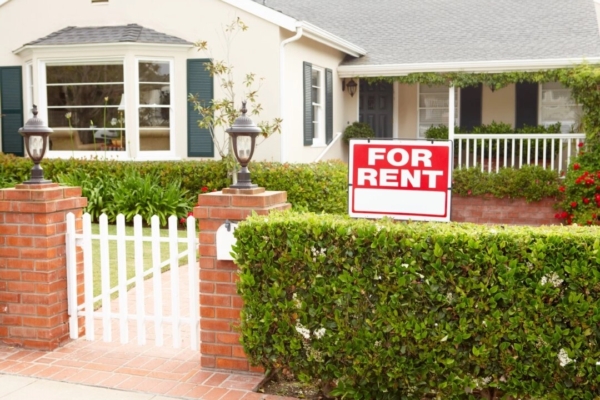
Renting out property can bring lucrative economic returns, including tax benefits and a stable source of income. At first glance, owning rental property seems profitable.
However, if you are considering joining the ranks of landlords, you must be aware of some potential risks and challenges. Maintaining the property, managing tenants, may quickly make being a landlord less appealing. What are the pros and cons of owning rental property?
Rental income can become a stable passive income. After paying off the mortgage and related property expenses, the profit belongs to the landlord. This income can be used to invest in other properties or supplement existing income.
If you do not want to handle the day-to-day management of the property yourself, you can hire a management company, which will make it easier to earn passive income.
Properties tend to appreciate, and in a favorable market environment, your assets will increase, thereby boosting your net worth. In the future, you can sell the property for a profit or pass it down to future generations.
You can deduct various expenses related to rental properties. According to the Internal Revenue Service (IRS), you can deduct “ordinary and necessary expenses” for managing, maintaining, and repairing rental properties.
Necessary expenses include interest, taxes, repairs, utility costs, and insurance, among reasonable expenses. Ordinary expenses refer to those that are common and generally accepted in the business.
According to the IRS, “When you include the fair market value of property or services in your rental income, you can deduct the same amount as a rental expense.”
In addition, the Tax Cuts and Jobs Act (TCJA) allows landlords to enjoy tax benefits through the Qualified Business Income (QBI) deduction. The IRS states that if you own pass-through entities like Limited Liability Companies (LLCs), S-Corporations, or sole proprietorships, you can deduct an amount equal to 20% of net rental income. This depends on the total taxable income from all sources after deductions for the tax year. Consult with an accountant to understand which benefits you qualify for.
The Tax Cuts and Jobs Act will expire on December 31, 2025.
Unlike stocks or mutual funds, you have direct control over the property as a landlord.
You can decide how to use the property, screen tenants, set rent prices, and choose when and how to upgrade.
You can also choose to outsource daily operations to property management companies, so you do not have to be the primary contact for tenants or deal with daily maintenance issues yourself.
Buying rental property requires bearing high upfront costs, starting with fees charged by lenders.
According to Mortgage Reports, the mortgage rates for investment properties are typically 0.50% to 0.75% higher than those for primary residences. This is because lenders consider investment properties to be riskier than primary homes.
If the property is not move-in ready, meaning not prepared for occupancy, you may need to pay upfront renovation costs to make it ready for tenants.
Even if the property is ready for immediate occupancy, there is still a possibility of vacancy, requiring the landlord to pay marketing expenses to find tenants. While striving to rent out the property, mortgage and utility payments still need to be made.
Yes, you will receive monthly income, but there are ongoing expenses as well. You need to pay principal, interest, taxes, and insurance (PITI).
Rental properties require regular maintenance and repairs.
Unfortunately, rental properties cannot achieve 100% occupancy, resulting in rental income losses due to vacancies. If there are no tenants, you will not make money.
Setting aside emergency funds is a wise decision. Deduct a portion of the monthly rent into a dedicated account. This way, if your property needs a new roof or if the heating, ventilation, and air conditioning (HVAC) system breaks down, you don’t have to scramble for money. Additionally, this fund can be used to cover mortgage payments in months without tenants.
You may be lucky to encounter great tenants, but you may also deal with difficult ones. Difficult tenants may have complaints or delay rent payments.
You may also have to deal with disputes with neighbors.
Some tenants may not take good care of the property. While you can withhold security deposits, handling these maintenance issues still requires time and effort.
As a landlord, you need to comply with fair housing laws and local regulations. Some regulations may be complex, and staying informed requires a significant time commitment.
Furthermore, if someone is injured on your property, legal liability may arise. Another legal issue is evicting tenants; it is advisable to hire an experienced real estate attorney to ensure a legal and compliant process.
Owning rental property not only entails bearing maintenance costs but also requires addressing tenant issues at any time.
If problems arise, they must be repaired quickly, which may occur at late hours. You can choose to delegate to a property management company, but supervision is still necessary.
However, the financial returns and tax benefits from owning rental property make it one of the more ideal investments you can make.