
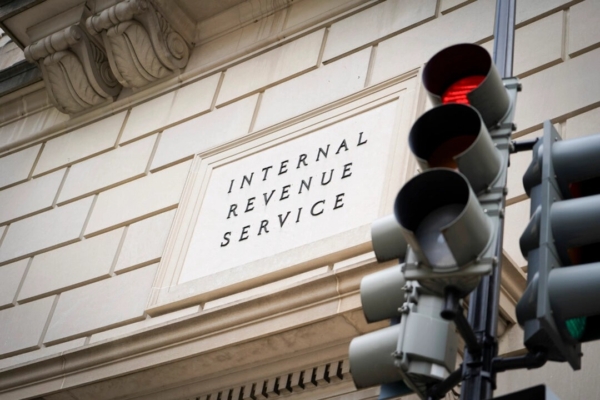
The United States Internal Revenue Service (IRS) has warned that many taxpayers have been lured into submitting false tax deduction claims and misinterpreting tax rules for personal gain.
On December 3, the IRS issued a consumer alert cautioning people not to be deceived by “extremely inaccurate tax filing” information circulating on social media.
According to the IRS statement on December 3, these pieces of information come in “many different forms and make exaggerated promises of refunds.” “Some creators of deceptive content on social media are motivated by criminal profit, while others simply seek attention and clicks, without considering the risks of misinformation to their followers.”
In the notice, the IRS listed some of the prevalent social media scams that have surged this year.
Scams related to self-employment tax deductions falsely claim that gig workers and self-employed individuals can get up to $32,000 in deductions under this scheme. However, the IRS stated that such tax deductions do not exist.
Fraudsters encourage people to “improperly claim” this deduction using Form 7202 (which is for sick and family leave credits for some self-employed individuals). The IRS pointed out that this deduction is only applicable to certain COVID-19 related situations during 2020 and 2021.
Scams related to fuel tax deductions attempt to deceive ineligible taxpayers. The IRS stated that “the vast majority of individual taxpayers are not eligible for fuel tax deductions.”
This deduction is aimed at businesses such as agriculture and applies only to certain types of fuels.
The IRS mentioned that there are social media influencers urging taxpayers to deduct all income in their tax returns, claiming the deduction is a “necessary expense for generating income” or “compensation for personal services actually provided.” The IRS warned that this is a “complete misunderstanding” of tax rules.
Taxpayers are also being deceived into submitting inflated tax returns with false income and withholding tax figures to claim substantial refunds. In some cases, the claimed amounts can go up to five figures.
The agency stated that it has seen “hundreds of thousands” of such inaccuracies. IRS Commissioner Danny Werfel remarked that if a claim sounds unbelievably good, “it is often false.”
He stated, “Social media platforms are full of influential individuals making claims about tax deductions or credits that exaggerate facts or are outright lies designed to gain their influence or promote their views. At the same time, this puts their audience’s tax filings and personal finances at risk. If people want good tax information on social media, they should look to trusted tax professionals or IRS social media platforms.”
Werfel urged taxpayers to conduct proper research to avoid falling victim to false information.
The IRS also issued a warning on December 2, reminding people to be “extra vigilant” when shopping during the holiday season. According to the alert, malicious actors are expected to target consumers for security issues, allowing them to infiltrate and obtain crucial personal information.
The IRS stated that taxpayers are being tricked into divulging detailed information about their tax payments, social security numbers, credit card information, financial details, address, and bank account details, which fraudsters then exploit for identity theft and fraud.
The IRS mentioned that a common scam currently involves messages seemingly coming from delivery services claiming that a delivery couldn’t be made, prompting people to click a link to reschedule the delivery. However, clicking on the link ultimately makes the customer’s personal information a target.
In the alert, Werfel wrote, “The holiday shopping season and the upcoming tax season create an enticing opportunity for identity thieves and scammers.”
He said, “Taxpayers should be extra cautious during this holiday season to safeguard their valuable personal and financial information, whether it’s online shopping or clicking on links in emails and other messages. A little extra caution can protect taxpayers’ confidential information and reduce the risk of identity theft in the upcoming tax season.”
The Federal Trade Commission (FTC) stated that these scams create a sense of urgency, compelling people to act quickly.
For instance, criminals may claim that if the target person doesn’t take action, such as clicking a link, they will return the goods to the sender. Unfortunately, these scams are effective because people expect delivery services during the holiday season.
The FTC advises that if you weren’t expecting a package, do not click on any links related to that package in messages.
The agency specified, “If you think the message may be legitimate, contact the delivery company using a phone number or website you know, not the information provided in the message.”