
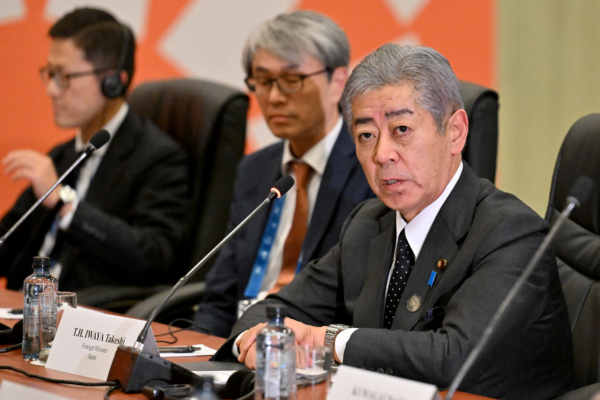
Japan’s Foreign Minister, Takeo Iwaya, is set to embark on a two-day visit to China starting on Wednesday (December 25), with seafood trade negotiations expected to be high on the agenda. The discussions are also likely to cover North Korea’s threats and other regional issues.
This will mark Iwaya’s first visit to China since he took office as the Minister of Foreign Affairs in October this year. He is scheduled to hold talks with Chinese Foreign Minister Wang Yi and meet with other Chinese officials.
Iwaya is the first Japanese Foreign Minister to visit China since April last year. It is anticipated that he may raise concerns over China’s military activities in the vicinity of Japan and discuss regional issues, including North Korea.
Last month, Japan expressed “serious concern” over North Korea’s security alliance with Russia, fearing that North Korea may acquire advanced military technology and combat experience.
China has been Japan’s largest seafood export market before the comprehensive ban on Japanese seafood imports by China.
In August last year, following Japan’s discharge of treated radioactive wastewater, China imposed a blanket ban on Japanese seafood products. However, the two governments reached an agreement in September this year, paving the way for the resumption of seafood trade.
Beijing still hopes that Tokyo will guarantee compliance with commitments, establish long-term international monitoring, and allow China to independently sample and test the treated wastewater.
A spokesperson from the Chinese Ministry of Foreign Affairs stated on Tuesday that China will “adjust relevant measures” gradually to resume imports that meet standards and regulations, with full monitoring in place.
While Japan and China have close economic ties, they have many disagreements on security and territorial claims. The longstanding geopolitical tensions and historical sensitivities from World War II have made the relationship between the two countries complex.
Japan is a key ally of the United States in Asia and has actively participated in Indo-Pacific security affairs in recent years, maintaining a high level of vigilance against China’s military activities in the South China Sea, East China Sea, and around Taiwan.
Last month, Beijing extended visa-free arrangements for Japanese nationals until the end of 2025, reinstating the policy that was temporarily suspended during the pandemic. Speculations suggest that Beijing may seek reciprocity from Japan on visa policies.
Japan has not yet decided on reciprocal measures, but Chinese officials have expressed hopes for Japan to work towards improving personnel exchanges between the two countries.
(This article is based on relevant reports from Reuters)