
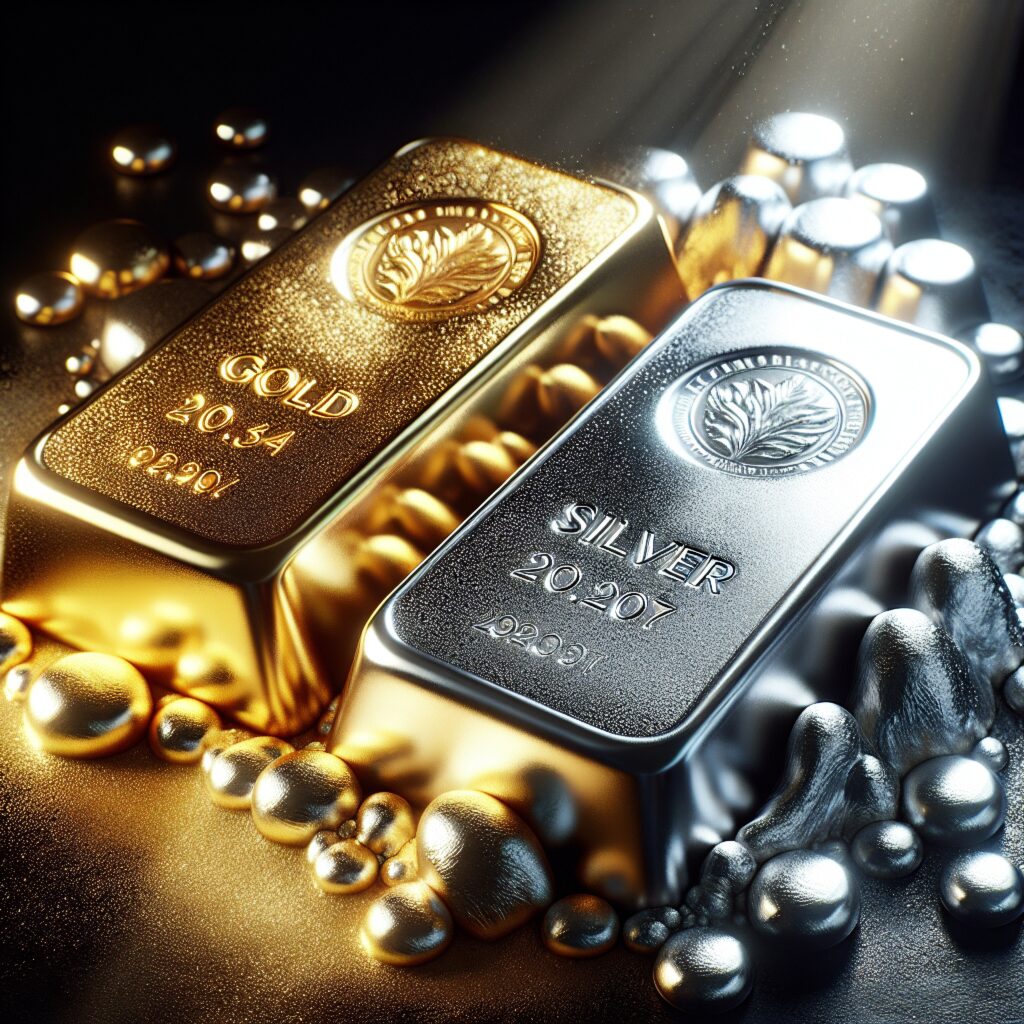
In recent weeks, gold and silver prices soared, prompting a surge in purchases from many individuals across mainland China. However, the market has now experienced a significant downturn, leading to a quick and drastic reevaluation of investments. The price of gold has plummeted by nearly 9% over the past week, while silver futures have fallen below 10,000 yuan per kilogram. Consumers who bought gold jewelry at high prices just two months ago are now calculating their paper losses, and some gold retailers are feeling the strain from having purchased inventory at elevated prices.
A report from Hangzhou highlights the plight of a woman who bought a 14-gram gold compass pendant in late September when the gold price was around 980 yuan per gram. By November 20, she found that the price had dropped to 795 yuan per gram, resulting in a price difference of over 2,590 yuan based on weight alone. This calculation does not include the processing fees for jewelry or the discounts for resale, meaning her actual recovery value could be even lower.
The decline in gold prices has also put pressure on merchants in the Shenzhen Shui Bei market, who are now facing inventory challenges. Reports indicate that some vendors previously restocked at prices between 870 and 880 yuan per gram. With the recent drop in prices, they have begun to show losses on their balance sheets. Simultaneously, some consumers are taking advantage of the lower prices by inquiring about smaller weight jewelry items.
Investors in silver are facing even more significant volatility. According to reports from Shanghai, the major silver futures contract fell by 7.83% on the morning of November 20, trading at 9,960 yuan per kilogram, which is below the crucial 10,000 yuan threshold. Earlier this year, silver futures had peaked at 33,488 yuan per kilogram.
In another report from the same day, spot gold was trading down by 1.9% at approximately $3,551.68 per ounce (about 23,800 yuan), tallying an approximate 8.9% loss for the week—the largest weekly drop in eight months. The dollar has reached a 19-month high, and market speculation suggests that the Federal Reserve may increase interest rates in December. This shift erodes the appeal of gold, which does not offer interest.
Analysts note that there has been forced liquidation across assets, suggesting that holders may be selling gold to cover losses from other investments or due to liquidity needs. Moreover, reports indicate a sell-off in artificial intelligence stocks, leading some investors to liquidate gold holdings to offset losses in other markets. When both gold and stocks experience downward pressure, traditional safe-haven assets struggle to avoid short-term capital withdrawals.
The World Gold Council released a third-quarter report indicating that gold jewelry consumption in mainland China has decreased by 22% year-on-year, totaling 65.7 tons. However, investment in gold bars and coins has experienced a 7% increase, reaching 78.9 tons. This scenario reflects a trend where consumers are shifting away from jewelry purchases and gravitating towards gold products with investment characteristics.
Still, this investment demand comes with its own risks. The World Gold Council pointed out that global demand for gold bars and coins fell by 19% year-on-year in the third quarter, as investors lack a clear judgment on price trends, leading some potential buyers to adopt a wait-and-see approach.
The silver market is also showing signs of demand weakness. According to projections from the Silver Institute on November 12, global demand for silver is expected to decline by 5% in 2026, primarily due to the photovoltaic industry reducing its silver usage and seeking alternative materials because of high silver prices. While the market anticipates a supply shortage of about 35 million ounces of silver this year, this imbalance has not prevented prices from substantially declining.
Reports from a Southern Metropolis Daily article indicate that silver recyclers are witnessing pronounced losses among many silver holders. The recent withdrawal from silver prices has been startling, with recycling prices for silver dropping to single-digit numbers in many channels. The recovery price for 925 silver (which contains 92.5% silver) has fallen to just 4 yuan per gram, prompting many to exit the market. It’s particularly noteworthy that after silver prices rose, many individuals jumped on the trend of buying large-weight bars, typically over one kilogram. As a result, there has been a palpable sense of frustration among investors, with some expressing sentiments like, “I thought I was buying at the bottom, but it turned out I was halfway up the mountain.” Others quipped, “I bought silver, but I’ve got a ticket for a roller coaster.”