
In recent years, especially as extreme weather events, system failures, and unexpected crises have become more frequent, Americans are increasingly prioritizing preparedness. According to guidelines from the Federal Emergency Management Agency (FEMA) and popular trends observed in major retailers like Amazon and Costco, the emergency supplies that individuals are scrambling to acquire can be categorized into six key areas.
Water is typically the first essential item to fly off the shelves in cases of water supply disruptions or power outages. Many people are focused on stockpiling both ready-to-drink bottled water and water filtration tools to ensure they have access to clean drinking water.
Among the most sought-after products are boxes of bottled water and stackable water containers that hold five gallons. These containers are popular due to their practicality and ease of storage.
Portable water purifiers are also in high demand. Brands like LifeStraw, which originated in Switzerland, along with the Sawyer filtration systems, have maintained high sales rankings due to their compact size and ability to filter out bacteria effectively.
Furthermore, water purification tablets – particularly the chlorine dioxide types – and large storage bags that can hold up to 100 gallons, are among the items that consumers are eager to buy, especially the bathtub water bladders.
When it comes to food supply, Americans tend to approach their purchases through two different strategies: “short-term fresh food stockpiling” and “long-term emergency food supplies.”
The essential trio of fresh items – bread, milk, and eggs – is often the first to go during periods of panic buying. This “panic-buying trinity” is usually depleted rapidly, especially before a storm or crisis hits.
The demand for non-perishable items is equally noteworthy. Canned goods, beans, meat, peanut butter, pasta, and large bags of rice are critical targets for Costco members looking to stock up for potential emergencies.
Additionally, military-style rations, like freeze-dried foods from brands such as Mountain House and Ready Hour, which can last up to 25 to 30 years, have gained immense popularity. High-calorie emergency food, such as compressed cookies from the Datrex brand, has also seen a significant rise in online sales.
As concerns grow over power grid disruptions and communication failures, backup power sources and offline communication devices are becoming staples of emergency preparation shopping.
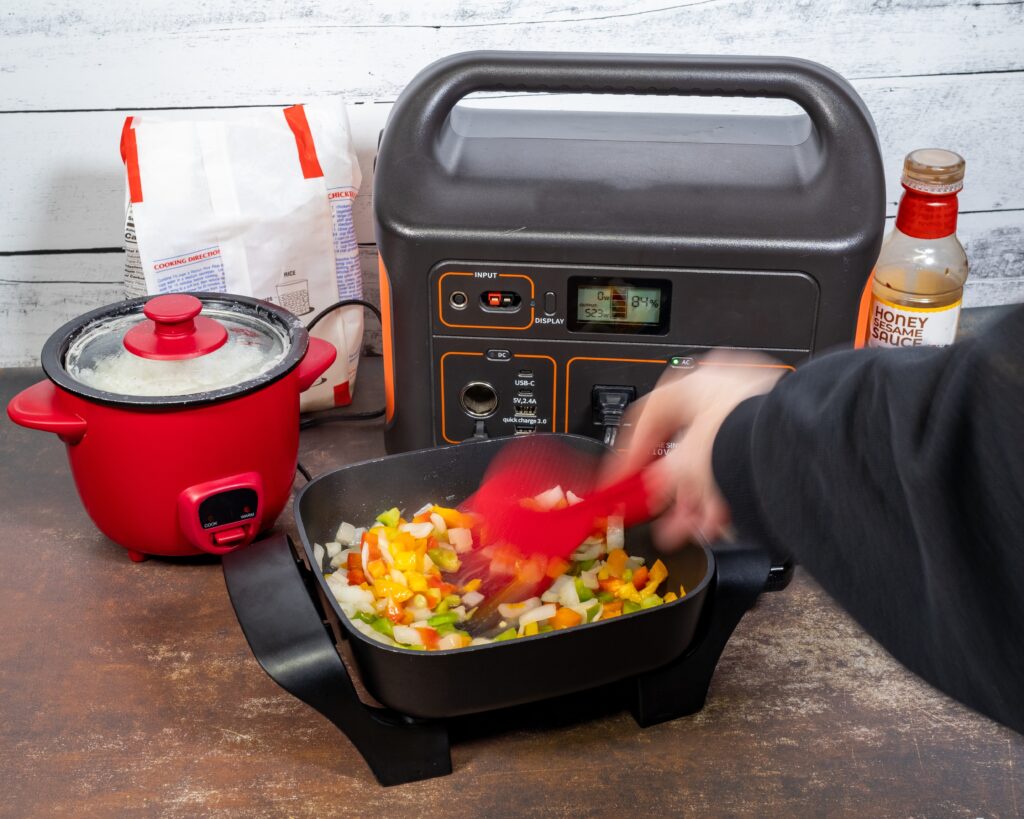
Fuel-powered generators from well-known brands like Honda and Westinghouse, along with high-capacity portable power stations like Jackery, are in increasing demand as they have the capability to keep refrigerators running during outages.
Hand-crank solar weather radios that feature NOAA weather alerts, along with manual power generation and phone charging capabilities, are becoming essential items during connectivity blackouts. Brands such as Kaito are among the favorites in this category.
Moreover, alkaline batteries, flashlights, and long-lasting emergency candles are consistently sought after. Bulk packs of AA and AAA batteries, LED headlamps, and liquid paraffin candles that can burn for up to 150 hours are always popular among consumers trying to ensure they are well-equipped.
Cleaning supplies also represent a crucial category during shopping surges, as they fulfill both basic hygiene needs and provide psychological comfort.
Toilet paper has often been at the forefront of shortages during panic buying, as it remains one of the fastest-selling household essentials.
Disinfecting wipes and alcohol-based hand sanitizers, along with household bleach that can be used for both sanitation and emergency water purification, quickly follow suit as key purchases during these times.
Heavy-duty trash bags designed to handle waste during water outages, along with disposable plates and utensils, are also prioritized for collection.
To avoid potential healthcare system failures or pharmacy closures, many individuals are proactively preparing with fundamental medical supplies and protective gear.
First aid kits, which include bandages, gauze, and antiseptic ointments from trusted brands like First Aid Only and Band-Aid, are commonly chosen as a primary item.
Over-the-counter medications such as pain relievers, fever reducers, and anti-diarrheal medications, as well as a minimum of 7 to 30 days’ supply of prescribed medications for chronic conditions, are in demand.
In recent years, the sales of N95 masks from brands like 3M and fire blankets made from fiberglass have substantially increased as more people seek to protect themselves from wildfire smoke and air pollution.
For scenarios where rapid evacuation or sheltering in place becomes necessary, integrated gear options have become increasingly popular.
Ready-made emergency kits, with a 72-hour supply of food, water, first aid, and rain protection, are favored by busy families. Kits like the Ready America 72-hour set are often sought after during these times.
Lightweight emergency thermal blankets, often paired with disposable ponchos, are also in high demand due to their warmth and compact size.
Multi-purpose tools and waterproof tarps are other essential items. Swiss Army knives or multi-tools that include can openers and blade features, along with duct tape and waterproof canvas, are invaluable for emergency repairs and closing off windows and doors.
As Americans continue to navigate the uncertainties of modern life, the importance of being prepared for the unexpected remains paramount, shaping a new culture of readiness and resilience.