
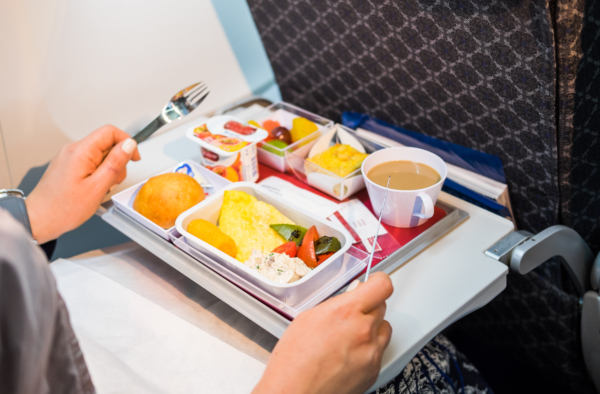
Frequent travelers often grapple with uncomfortable issues such as bloating, constipation, and the relentless search for a restroom, turning their vacations into real nightmares. Tim Spector, a renowned gut microbiome researcher and epidemiology professor in the UK, emphasizes the importance of maintaining gut health while traveling. According to him, the journey begins as soon as travelers board the plane, as long-haul flights and heavily processed in-flight meals pose significant threats to the balance of gut bacteria.
Spector highlights that the gut microbiome is incredibly sensitive to changes in environment and routine. Even without exposure to pathogens, minor shifts in daily life can lead to constipation, bloating, or unexpected digestive discomfort. For instance, insufficient water intake, disrupted sleep patterns, excessive alcohol consumption, sugary drinks, and indulging in exotic cuisines can all contribute to an imbalance in gut bacteria during travels.
To help mitigate these issues, Spector outlines seven practical tips that can assist travelers in enjoying their meals while safeguarding their digestive health.
First, he advises against dining on airplanes, especially during long-haul flights. Airline meals are often mass-produced and laden with unhealthy oils and salts, which are detrimental to gut health. More importantly, eating at an altitude of approximately 35,000 feet can disrupt the body’s circadian rhythms.
“The gut microbiome has its own circadian rhythm, and when eating times deviate from physiological rhythms, not only does digestion suffer, but sleep quality can also decline. Therefore, I prefer to wait until I land to enjoy a proper meal,” Spector explains.
He also warns travelers to think twice before accepting cookies or pretzels offered by flight attendants. These snacks are typically over-salted or over-sweetened and low in dietary fiber, potentially triggering inflammation and leading to fatigue, digestive discomfort, and an eventual return of hunger shortly after.
Before embarking on the journey, Spector recommends having a balanced meal. This can help avoid the scenario of extreme hunger that forces travelers to purchase greasy, salty meals at airports, rest stops, or on the plane. Additionally, he suggests bringing along at least 50 grams of a diverse mix of fresh nuts and seeds to stave off hunger pangs during the trip.
Common breakfast items served at hotels, such as white toast, pastries, jams, sugary cereals, and fruit juices, often fall into the category of highly processed, high-sugar foods. These meals can cause significant spikes and drops in blood sugar levels, leading to fatigue and subsequent cravings throughout the day. Processed meats like bacon and sausage found in hot food sections also contain numerous additives, which can irritate the gut and disrupt microbial balance.
Instead of these options, Spector advocates for starting the day with unsweetened plain yogurt topped with fresh fruits, nuts, and seeds. Adding a sprinkle of cheese can provide a protein boost. Such fermented and natural foods are rich in polyphenols and beneficial probiotics, helping to stabilize the gut microbiome and boost immunity.
When dining out, he urges vacationers not to overlook seemingly mundane options like “boiled vegetables” on restaurant menus. Many dishes labeled in this way feature a variety of local, seasonal vegetables prepared with special sauces and are quite flavorful.
He encourages travelers to experiment with unfamiliar vegetables, as a wider variety of plant-based foods leads to greater diversity in their gut microbiome.
While on vacation, it’s common for people to desire a drink or two. If moderation is key, Spector recommends opting for red wine, which is rich in polyphenols. For those who may not enjoy the taste of red wine, orange wine is an excellent alternative, boasting a higher polyphenol content compared to regular white wines. He explains that polyphenols serve as “natural nutrients” for the good bacteria in the gut, and consuming them in moderation can help nourish gut microbes and maintain a healthy balance.
It’s worth noting that orange wine is not made from oranges but is produced by fermenting white grapes along with their skins, allowing it to retain more of the beneficial polyphenols found in grape skins.
When engaging in outdoor activities, especially on hot days, it’s essential to carry a reusable water bottle for regular hydration. Dehydration can slow down gut movement, and signs such as decreased urination, dark urine, or the onset of constipation are red flags signaling a need for more fluids.
Spector recommends incorporating fermented foods into your diet every day, which can help protect the gut lining and reduce inflammation. One of the simplest ways to accomplish this is by enjoying local fresh cheese, as many cheeses are naturally fermented and teeming with beneficial microorganisms. He also makes it a habit to purchase kefir—a fermented dairy drink—at local supermarkets to include in his breakfast.
For those traveling to countries, like the USA, where fresh fermented foods might be harder to find, Spector packs a small amount of dehydrated kefir grains. Upon arrival, he adds them to milk, allowing him to create homemade fermented dairy products sufficient for the entirety of his trip.
Despite going on vacation, Spector maintains an active lifestyle, walking at least 10,000 steps daily to keep his body moving. Staying active is one of the best ways to ensure gut health, helping to prevent constipation and alleviate bloating while promoting a diverse and healthy gut microbiome.
Lastly, he acknowledges that gaining a few extra pounds during the holidays is common, sharing that he typically adds about two kilograms. However, he reassures that by resuming normal routines, adhering to a balanced diet, and consuming high-fiber meals upon returning home, one can usually revert to their original weight within two weeks without undue worry.
Spector suggests adopting a practice of “intermittent fasting,” with breakfast delayed until 11 AM and dinner concluded before 9 PM, to give the gut a chance to rest and readjust its rhythm during travel.