
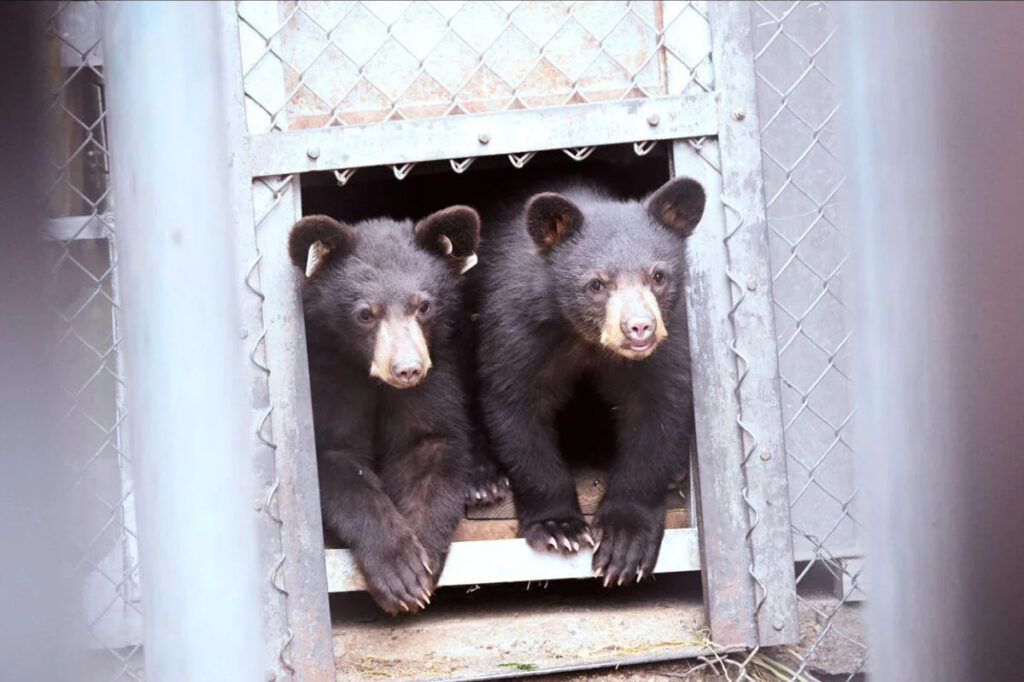
A recent announcement from a state agency in Colorado revealed that the Frisco Creek Wildlife Rehabilitation Center is caring for 47 bear cubs, which were born during what has been described as the worst year for human-bear conflicts in the state’s history.
The Colorado Parks and Wildlife (CPW) agency operates the rehabilitation center and noted that throughout its 15-year history, it has averaged around 20 orphan cubs each year, with a minimum of four and a maximum of 40 cubs received annually. This year’s significant increase aligns with record numbers of reported bear sightings and conflicts in the state.
By the end of September, CPW recorded 10,820 incidents, more than double last year’s total. The number of bears euthanized due to conflicts with humans also more than doubled. In many instances, CPW had to put down bears that wandered into residential areas, often leaving behind their vulnerable cubs.
Michael Sirochman, manager of the rehabilitation center, stated, “Most wildlife officials will tell you that euthanizing a bear is one of the last things they want to do. We often hear their gratitude for providing a safe haven for these cubs, and we will continue to do everything possible at Frisco Creek to give these bear cubs a second chance.”
Some of the bears have been victims of vehicle accidents on the state’s roads.
CPW indicated that conditions this year have been particularly dire. Historic drought, late spring frosts, and several major wildfires have created “widespread food shortages,” leading to more orphaned cubs being abandoned by their mothers.
Mark Vieira, the manager of CPW’s carnivores and fur-bearing animal programs, explained, “Every fall, we assess the natural food conditions for bears across the state. Our findings indicate that 2026 will be the worst year since we began this assessment in 2008. While final data is still pending, many areas in the state are reporting complete failures of common bear food sources, such as acorns, dogwood, chokecherries, and plums.”
In mid-April, a six-pound bear cub was transported from Evergreen to Frisco Creek. Typically, the bears coming to Frisco Creek are very young. However, this year brought several one-year-old bears with health issues.
During this summer, a one-year-old bear sustained severe paw burns in the Aspen Acres Fire near Beulah.
Dr. Jane Riner, a field veterinarian with CPW, mentioned in a press release, “All four paws of this bear were severely burned, but it has shown signs of healing and has passed the most dangerous phase. Thanks to our timely intervention, special wound dressings to prevent infection, and multi-wavelength light therapy to accelerate healing, the bear has significantly improved. Nine days later, we were able to stop the bandaging and let it walk comfortably.”
When this bear arrived at Frisco Creek in mid-July, it weighed only 31 pounds but has since increased to 120 pounds.
Ashley Lestone, an employee at the Frisco Creek sanctuary, expressed satisfaction with the bear’s compliance during frequent bandage changes. “Wild animals typically attempt to remove their bandages or other foreign objects when receiving care, but this bear seems content to leave everything alone while allowing its paws to gradually heal.”
Having fully recovered from its burns, the one-year-old cub is now preparing to hibernate. CPW plans to release the bear in late November to facilitate its winter denning.
Another cub with a broken leg was discovered by a deputy from the Custer County Sheriff’s Office along the highway. This malnourished, dehydrated cub was limping severely. Following a successful surgery, it now has a promising chance of returning to the wild.
Elyana Pollard, an intern at the Frisco Creek Wildlife Rehabilitation Center, commented, “We are very pleased with her recovery progress. The limping has disappeared; she moves freely without pain, and her weight has returned to a healthy level. She’s now plump and fluffy, ready for winter. To ensure her leg injury heals completely, we’ll allow her to stay at the facility over winter, hoping she fully recovers by spring and is ready for release.”
All 47 bears at Frisco Creek this year have come from across Colorado.
Sirochman noted, “Fortunately, this year we did not find any bobcats, mountain lions, or red foxes, so all the mammal enclosures were vacated for bear cubs. We completed renovations on several enclosures that were previously built for other species but were less suitable for cubs, allowing us to accommodate a record number of cubs this year.”
Sirochman hopes that the total number of cubs will return to a more typical range of about 20 or fewer, wishing for the recent surge not to become the new norm.