
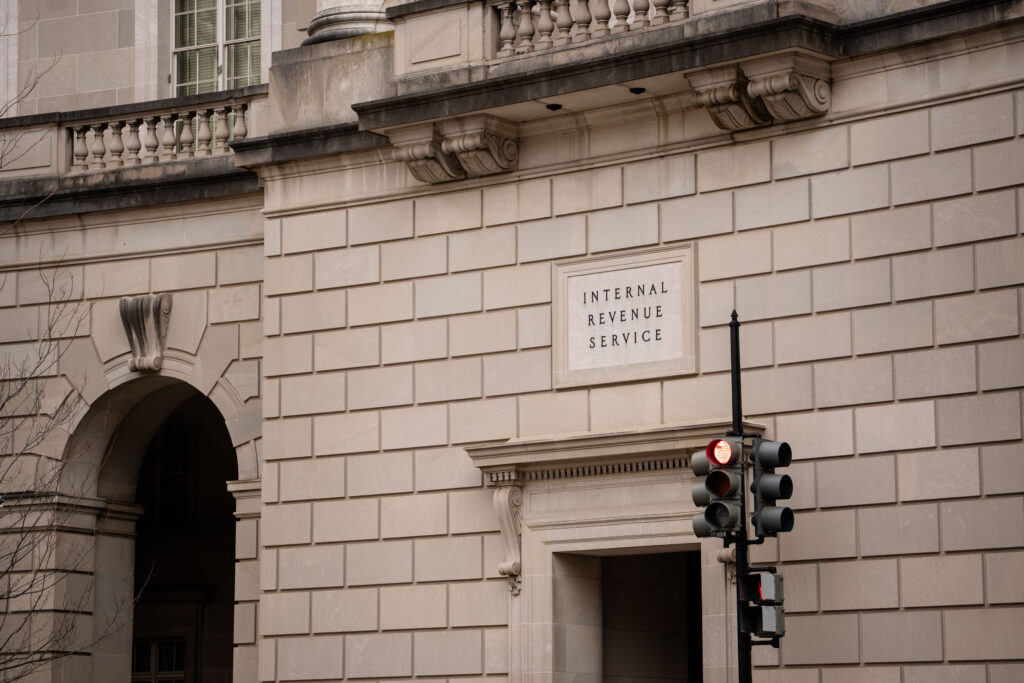
According to a recent announcement by the Internal Revenue Service (IRS), the government has made adjustments to the contribution limits for 401(k) accounts for the year 2027 due to inflation. The contribution limit has been increased by $1,000, bringing the total to $25,500, up from the previous year’s limit of $24,500.
In a statement, IRS Commissioner Frank J. Bisignano noted that the increase in retirement contribution limits, in addition to the Working Families Tax Cuts, commonly referred to as the “Big and Beautiful” bill, will help American families retain more of their hard-earned income.
He emphasized the importance of this adjustment, saying that the IRS is committed to providing taxpayers and employers with the necessary information to help them make informed decisions regarding their retirement planning for the coming year.
In addition to the changes for 401(k) accounts, the contribution limit for Individual Retirement Accounts (IRAs) remains at $7,500. For individuals aged 50 and above, the catch-up contribution limit for IRAs remains at $1,100.
The IRS stated that these limits have been revised in accordance with the SECURE 2.0 Act of 2022 and include adjustments for annual costs of living.
For employees aged 50 and older who participate in 401(k), 403(b), government 457 plans, or the federal government’s Thrift Savings Plan, the catch-up contribution limit has been raised by $500 to $8,500, an increase from the 2026 limit of $8,000.
Starting next year, individuals aged 50 and older with these plans will have an annual contribution limit of $34,000. Additionally, a change under the SECURE 2.0 Act allows workers aged 60 to 63 within these plans to contribute up to $11,750.
The IRS also indicated that the income thresholds used to determine eligibility for deductible contributions to traditional IRAs, contributions to Roth IRAs, and the Saver’s Credit will all be increased in 2027.
These adjusted limits and provisions are expected to provide greater flexibility and support for retirement savings, empowering individuals and families to better prepare for their financial futures.
As the IRS outlines these upcoming changes, taxpayers are encouraged to review their retirement strategies and consider how these adjustments might impact their savings plans moving forward.