
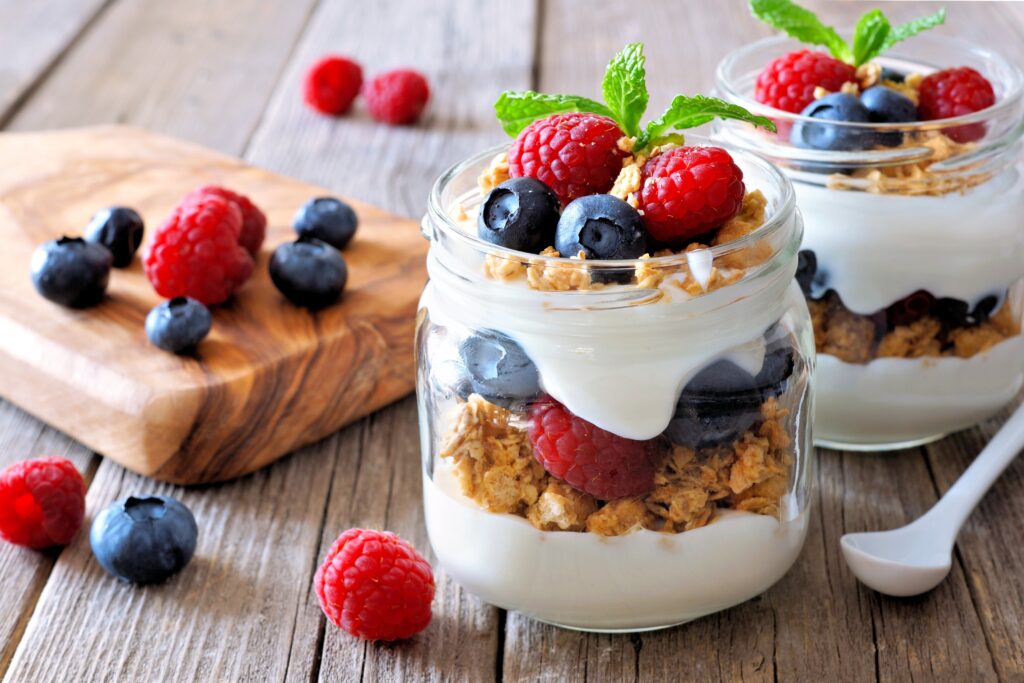
As the Chinese economy slows and residents’ income expectations diminish, consumer confidence continues to plummet, creating significant challenges for the market for high-priced consumer goods. A high-end fresh yogurt brand, once referred to as the “Hermès of Yogurt,” known as Blueglass, is now struggling to withstand the repercussions of this trend toward downgrading consumption. Following a surge in popularity among consumers, the brand is now undertaking a substantial closure of its stores.
According to reports from local media on November 9, data from Narrow Door Insights reveals that as of October 12, 2026, Blueglass operated a total of 148 stores. Over the past year, the brand has shut down 89 locations, reflecting a staggering closure rate of 62.24%.
Simultaneously, the founder of Blueglass has recently stepped down as chairman, raising eyebrows regarding potential adjustments within the company’s operations.
Reports from various mainland media sources indicate that Blueglass is shrinking its presence in multiple major cities. Locations such as Shanghai, Hangzhou, Guangzhou, Shenzhen, and Chengdu have all experienced varying degrees of store closures.
In Guangzhou, only two stores remain operational, while the sole Blueglass outlet in Nanning ceased operations on October 31. In Shanghai, several key commercial areas, including Xuhui’s Taikoo Li, Xintiandi, Longhu Baoshan Tiandi, and Dixiang International, have seen successive store closures. Additionally, in Hangzhou, stores located at Hubei Yin Tai in77, Chengbei Mixc, Binhai Baolong City, and Chengxi Yin Tai have also exited the market.
As the company adjusts its business strategy, changes within the management team have also raised concerns.
According to records from the National Enterprise Credit Information Publicity System, on November 10, Blueglass’s parent company, Beijing Yuehuo Catering Management Co., Ltd., underwent an organizational alteration. Founder Gu Yong stepped down from the role of chairman, with Gu Chengxuan taking over the position as chairman and financial officer, and the legal representative was changed from Gu Yong to Gu Chengxuan.
So far, the company has not provided a detailed explanation regarding these management changes.
Founded in 2012, Blueglass initially operated under the brand name “Aqiulage Qingzang Yogurt,” and in 2018, it rebranded to Blueglass Yogurt, focusing on high-end fresh cold-brewed yogurt. The brand primarily targeted upscale shopping centers, with prices for individual cups typically ranging from 30 to over 50 yuan (approx. USD 4 to 7).
Thanks to its strategic location in high-end commercial spaces, elegant packaging, and promotion of a healthy lifestyle, Blueglass initially became a highly popular consumer brand known for its premium products, often likened to “the Hermès of yogurt.”
The years 2020 to 2021 marked a peak for Blueglass, during which the brand experienced substantial investment interest. Public records indicate that in July 2021, the company secured over 200 million yuan in Series B funding. At that time, the brand set an ambitious goal of opening more than 1,000 stores across first-tier cities in China within three years.
However, in recent years, the deceleration of China’s economic growth, stagnant income growth for residents, and the enduring slump in the real estate market have continuously eroded household wealth. This has severely affected consumer confidence concerning future income and economic outlooks. As a result, consumers are increasingly reducing their expenditure on non-essential items, making the trend of downgraded consumption more apparent.
The impact on high-priced fresh beverage brands like Blueglass has been especially direct. Consumers who previously spent nearly 50 yuan for a cup of yogurt are now likely to gravitate towards cheaper options such as regular yogurt, supermarket dairy products, or more affordably priced fresh yogurt in the range of 10 to 20 yuan.
In November 2025, Blueglass began offering significant promotions on external sales platforms, with some products that originally cost nearly 50 yuan being reduced to around 20 yuan, and some items even dropping to 19.9 yuan.
In addition to these economic challenges, the yogurt market is experiencing increasing competition, presenting yet another issue for Blueglass.
In recent years, brands such as Moso Yogurt, K22 Strawberry Yogurt, and Yi Zhi Yogurt Cow have regularly expanded their market presence, offering products at price points that generally undercut those of Blueglass. Furthermore, several fashionable tea brands have launched yogurt smoothies and fruit yogurt products, further diverting consumer interest.
In contrast to Blueglass’s yogurt cups priced at nearly 50 yuan, affordable options tend to be found within the 10 to 20 yuan range, making them more appealing to consumers seeking greater value.
In an economic environment characterized by slow growth and declining consumption, consumers are becoming increasingly cautious about purchasing high-priced non-essential items. Consequently, for brands to maintain a high average transaction value and a stable rate of repurchase, the challenges have significantly intensified.