
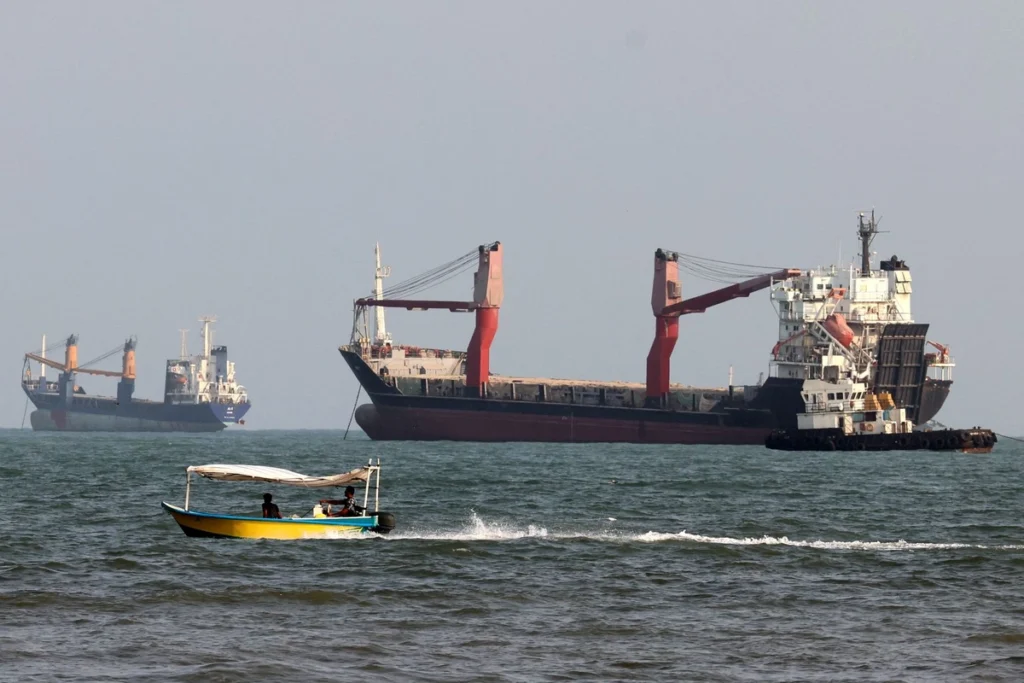
The International Energy Agency (IEA) has released a new report indicating a significant shift in the global oil market dynamics. As oil exports from the Middle East continue to recover following the eruption of conflict in Iran, global oil supply has, for the first time since the start of the war, outstripped demand. Early signs of a rebalancing of the oil market are becoming evident, and a supply surplus is anticipated to emerge in the fourth quarter of this year.
According to the IEA’s “Oil Market Report,” published on Friday, global oil supply has been steadily increasing. Following a rise of three million barrels per day in September, October saw an additional increase of 2.3 million barrels per day, bringing the total supply to a remarkable 105.4 million barrels per day. Despite ongoing attacks on energy infrastructure and commercial oil tankers, this recovery in supply has alleviated some of the market’s earlier tensions.
The Paris-based energy watchdog noted that in October, oil exports from the Gulf region, excluding Oman, reached a daily average of 18.4 million barrels, which is approximately 26% lower than pre-war levels. Crude oil transportation volumes have also rebounded, reaching 15 million barrels per day, which corresponds to about 82% of pre-war figures.
With the rise in export rates, the IEA has significantly raised its expectations for global oil supply for the remainder of the year. The agency revised its forecast for the fourth quarter upward by an impressive 3.3 million barrels per day, anticipating even greater surpluses in the market by 2027. Previously, the IEA had projected a supply shortage for the global oil market in the fourth quarter.
However, the IEA also issued a warning that a resurgence of attacks targeting shipping could jeopardize this recovery momentum.
Following the report’s release at 9 AM GMT on Friday (4 AM Eastern Time), oil prices receded from earlier gains. Brent crude futures fell by 0.1%, settling at $95.71 per barrel.
Looking ahead, the IEA predicts that global oil supply will decline by 4.8 million barrels per day for the year 2026; however, it is expected to bounce back in 2027 with an increase of 6.6 million barrels per day, bringing the average total supply to 108.1 million barrels per day.
Simultaneously, global oil demand is projected to decrease by 2.7 million barrels per day in 2026, reaching an average of 102.3 million barrels per day. In the fourth quarter, it is anticipated that the annualized decline in demand will taper to 2.7 million barrels per day, contrasting with a larger average decline of 4.4 million barrels per day in the second and third quarters.
By 2027, global oil demand is expected to rebound by two million barrels per day, potentially returning to pre-war levels by around March.
Regarding the anticipated scale of the global oil supply surplus in 2027, the IEA estimates that the average surplus will hover around 3.8 million barrels per day, slightly below last month’s forecast of 3.94 million barrels per day.