
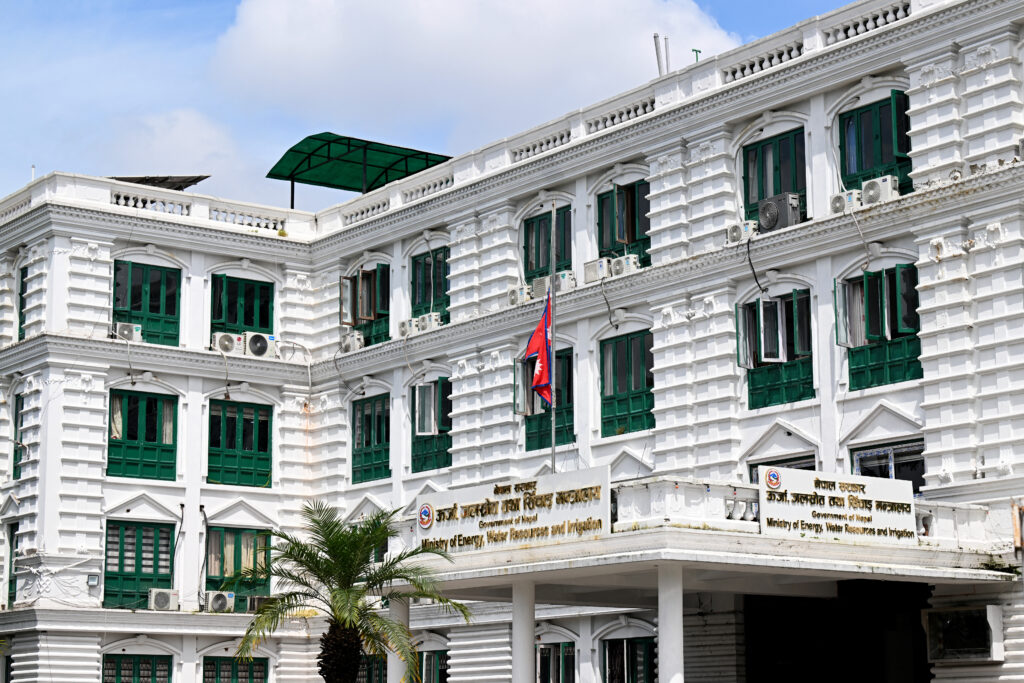
In August of this year, Nepal experienced a severe flooding disaster that left millions affected and caused significant damage to infrastructure. In response to this crisis, the Indian government promptly extended its assistance to Nepal, providing disaster relief and reconstruction funds. This situation has presented India with a valuable opportunity to bolster its influence over its neighbor, Nepal.
Nestled between China and India, Nepal has long been a focal point of competition for influence between the two nations. As China expands its presence in the region, Nepal finds itself in a position to negotiate more effectively with its neighbors, challenging India’s historical dominance, which has often relied on geographic and cultural ties.
Over the past decade, relations between India and Nepal have been strained due to border disputes and growing resentment over India’s blockade of Nepal in 2015. Although India has consistently denied responsibility for the blockade, it inadvertently created a space for China’s influence to flourish within Nepal, leading to increased trade and investments in various sectors.
China has long sought to solidify its standing in Nepal through economic aid, substantial investments under its Belt and Road Initiative, and by fostering political ties with local Communist parties. Notably, former Prime Minister K.P. Sharma Oli, a leader in the Communist Party of Nepal (Unified Marxist–Leninist), has been a staunch advocate for deepening relations with China. During his tenure, Oli actively promoted Belt and Road cooperation, making several visits to China and engaging closely with Chinese President Xi Jinping.
The political landscape in Nepal underwent a significant shift last September when widespread protests erupted among the youth, driven by anger over political corruption, nepotism, and the government’s restrictions on social media. These protests ultimately pressured Oli to resign. In March of this year, Balendra Shah, a candidate supported by young voters, assumed office, signifying a new direction for Nepali politics.
Following the devastating floods in August, India was quick to respond, being the first country to provide disaster relief supplies and assistance to restore communication in affected areas. India has committed a total of $1.62 billion in aid for Nepal’s post-disaster reconstruction efforts, a significant commitment during a time of need.
Nepal’s Ministry of Finance estimates that the total cost for reconstruction after the floods will approach $5 billion. According to Nepal’s Foreign Minister Shisir Khanal, the aid provided by India represents the largest scale of support Nepal has received to date.
In terms of financial assistance, India’s contributions in the previous fiscal year surpassed China’s aid to Nepal by more than four times. Experts suggest that this aid not only serves to stabilize Shah’s government but also aids in mending the historically fraught relationship between India and Nepal. This situation draws parallels to the improvement of relations between India and Sri Lanka following the latter’s economic crisis.
As events unfold, the strategic implications of India’s timely assistance to Nepal amidst keen competition with China will be closely watched, both by the nations involved and by observers in the broader region. The evolving dynamics of Nepal’s foreign relations will undoubtedly influence the political landscape in South Asia for years to come.