
The U.S. Customs and Border Protection (CBP) has issued an important reminder to travelers entering the country: all agricultural products must be declared. This includes commercially packaged items such as tea, coffee, and spices, as certain plant components may be restricted or even prohibited from entry into the United States.
According to guidelines released by the CBP on November 10, travelers are generally allowed to bring in roasted coffee, thoroughly dried tea, and standard ground spices for personal use. Commercially packaged products are usually permitted for entry. However, regardless of their classification, these items must be presented for inspection upon arrival.
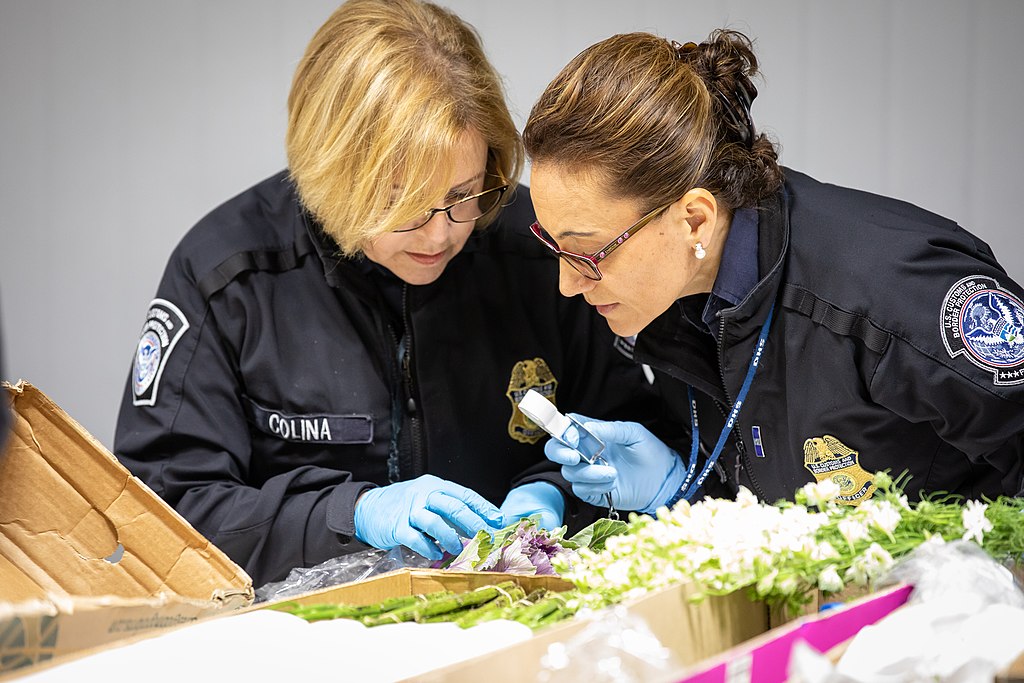
Agricultural specialists will examine the stated items to ensure compliance with entry requirements, particularly to guard against the introduction of foreign pests or diseases.
Furthermore, the U.S. Department of Agriculture provides additional insights that are particularly valuable for Chinese readers: tea made solely from tea leaves—such as green tea, black tea, and oolong tea—can be brought in without quantitative restrictions. However, herbal teas containing citrus components, such as dried tangerine peel, must be commercially packaged and ready-to-brew, or labeled as having undergone heat treatment; otherwise, they are not allowed entry. Additionally, unroasted green coffee beans are prohibited from being imported or transiting through Hawaii and Puerto Rico.
CBP emphasizes that as long as all agricultural products are truthfully declared, travelers will not face penalties even if inspectors determine that certain products cannot enter the country. The guidelines recommend that travelers keep receipts and retain original packaging for their agricultural products as proof of origin. Ultimately, the inspection personnel have the final authority on whether items may enter.
Conversely, if travelers fail to declare agricultural products and are subsequently found with prohibited items, first-time offenders carrying non-commercial quantities can face civil fines of up to $1,000. Undeclared contraband items may also be subject to seizure and destruction. The severity of the penalty will depend on the nature of the violation, with fines for commercial imports potentially being significantly higher.
Travelers are required to declare agricultural products on Customs Declaration Form 6059B. This reporting requirement applies to all items in checked luggage, carry-on baggage, vehicles, and items in travelers’ personal possession.
For those ordering tea, coffee, and similar products from overseas vendors for shipment to the United States, a different set of regulations applies. According to CBP guidelines, businesses must comply with requirements set forth by the U.S. Food and Drug Administration (FDA).
CBP emphasizes that the purpose of inspecting agricultural products is to protect U.S. crops, livestock, and the environment from foreign pests and animal diseases. This essential measure ensures the safety and integrity of domestic agriculture while facilitating lawful international travel.